<!DOCTYPE html>
    <html lang="vi" xmlns="http://www.w3.org/1999/xhtml" prefix="og: http://ogp.me/ns#">
    <head>
<title>Lý thuyết làn sóng trong nghiên cứu ngôn ngữ và văn hoá Thăng Long - Hà Nội</title>
<meta name="description" content="Lý thuyết làn sóng trong nghiên cứu ngôn ngữ và văn hoá Thăng Long - Hà Nội - Savefile - Nghiên cứu khoa học -...">
<meta name="author" content="Khoa Ngôn ngữ học">
<meta name="copyright" content="Khoa Ngôn ngữ học [webmaster@flis.vinades.my]">
<meta name="generator" content="NukeViet v4.5">
<meta name="viewport" content="width=device-width, initial-scale=1">
<meta http-equiv="Content-Type" content="text/html; charset=utf-8">
<meta property="og:title" content="Lý thuyết làn sóng trong nghiên cứu ngôn ngữ và văn hoá Thăng Long - Hà Nội">
<meta property="og:type" content="website">
<meta property="og:description" content="Savefile - Nghiên cứu khoa học -...">
<meta property="og:site_name" content="Khoa Ngôn ngữ học">
<meta property="og:url" content="https://ling.ussh.vnu.edu.vn/vi/nghien-cuu-khoa-hoc/savefile/chuong-trinh-de-tai-du-an/ly-thuyet-lan-song-trong-nghien-cuu-ngon-ngu-va-van-hoa-thang-long-ha-noi-129.html">
<link rel="shortcut icon" href="https://ling.ussh.vnu.edu.vn/uploads/ling/logoh.png">
<link rel="canonical" href="https://ling.ussh.vnu.edu.vn/vi/nghien-cuu-khoa-hoc/savefile/chuong-trinh-de-tai-du-an/ly-thuyet-lan-song-trong-nghien-cuu-ngon-ngu-va-van-hoa-thang-long-ha-noi-129.html">
<link rel="alternate" href="https://ling.ussh.vnu.edu.vn/vi/nghien-cuu-khoa-hoc/rss/" title="Nghiên cứu khoa học" type="application/rss+xml">
<link rel="alternate" href="https://ling.ussh.vnu.edu.vn/vi/nghien-cuu-khoa-hoc/rss/gioi-thieu-chung/" title="Nghiên cứu khoa học - Giới thiệu chung" type="application/rss+xml">
<link rel="alternate" href="https://ling.ussh.vnu.edu.vn/vi/nghien-cuu-khoa-hoc/rss/chuong-trinh-de-tai-du-an/" title="Nghiên cứu khoa học - Chương trình, dề tài, dự án" type="application/rss+xml">
<link rel="alternate" href="https://ling.ussh.vnu.edu.vn/vi/nghien-cuu-khoa-hoc/rss/hoi-thao-toa-dam/" title="Nghiên cứu khoa học - Hội thảo, tọa đàm" type="application/rss+xml">
<link rel="alternate" href="https://ling.ussh.vnu.edu.vn/vi/nghien-cuu-khoa-hoc/rss/tac-gia-tac-pham/" title="Nghiên cứu khoa học - Tác giả tác phẩm" type="application/rss+xml">
<link rel="alternate" href="https://ling.ussh.vnu.edu.vn/vi/nghien-cuu-khoa-hoc/rss/thong-tin-tu-lieu/" title="Nghiên cứu khoa học - Thông tin tư liệu" type="application/rss+xml">
<link rel="preload" as="style" href="https://ling.ussh.vnu.edu.vn/assets/css/font-awesome.min.css" type="text/css">
<link rel="preload" as="style" href="https://ling.ussh.vnu.edu.vn/themes/flis/css/bootstrap.min.css" type="text/css">
<link rel="preload" as="style" href="https://ling.ussh.vnu.edu.vn/themes/flis/css/style.css" type="text/css">
<link rel="preload" as="style" href="https://ling.ussh.vnu.edu.vn/themes/flis/css/style.responsive.css" type="text/css">
<link rel="preload" as="style" href="https://ling.ussh.vnu.edu.vn/themes/default/css/news.css" type="text/css">
<link rel="preload" as="style" href="https://ling.ussh.vnu.edu.vn/themes/flis/fonts/Alatsi/stylesheet.css" type="text/css">
<link rel="preload" as="style" href="https://ling.ussh.vnu.edu.vn/themes/flis/css/custom.css" type="text/css">
<link rel="preload" as="script" href="https://ling.ussh.vnu.edu.vn/assets/js/jquery/jquery.min.js" type="text/javascript">
<link rel="preload" as="script" href="https://ling.ussh.vnu.edu.vn/assets/js/language/vi.js" type="text/javascript">
<link rel="preload" as="script" href="https://ling.ussh.vnu.edu.vn/assets/js/DOMPurify/purify3.js" type="text/javascript">
<link rel="preload" as="script" href="https://ling.ussh.vnu.edu.vn/assets/js/global.js" type="text/javascript">
<link rel="preload" as="script" href="https://ling.ussh.vnu.edu.vn/assets/js/site.js" type="text/javascript">
<link rel="preload" as="script" href="https://ling.ussh.vnu.edu.vn/themes/default/js/news.js" type="text/javascript">
<link rel="preload" as="script" href="https://ling.ussh.vnu.edu.vn/themes/flis/js/main.js" type="text/javascript">
<link rel="preload" as="script" href="https://ling.ussh.vnu.edu.vn/themes/flis/js/custom.js" type="text/javascript">
<link rel="preload" as="script" href="https://ling.ussh.vnu.edu.vn/themes/flis/js/bootstrap.min.js" type="text/javascript">
<link rel="StyleSheet" href="https://ling.ussh.vnu.edu.vn/assets/css/font-awesome.min.css">
<link rel="StyleSheet" href="https://ling.ussh.vnu.edu.vn/themes/flis/css/bootstrap.min.css">
<link rel="StyleSheet" href="https://ling.ussh.vnu.edu.vn/themes/flis/css/style.css">
<link rel="StyleSheet" href="https://ling.ussh.vnu.edu.vn/themes/flis/css/style.responsive.css">
<link rel="StyleSheet" href="https://ling.ussh.vnu.edu.vn/themes/default/css/news.css">
<link rel="StyleSheet" href="https://ling.ussh.vnu.edu.vn/themes/flis/fonts/Alatsi/stylesheet.css">
<link rel="StyleSheet" href="https://ling.ussh.vnu.edu.vn/themes/flis/css/custom.css">
<style type="text/css">
	body{background: #fff;}
</style>
    </head>
    <body class="sub-page">
<div id="print">
	<div id="hd_print">
		<h2 class="pull-left">Khoa Ngôn ngữ học</h2>
		<p class="pull-right"><a title="Khoa Ngôn ngữ học" href="https://ling.ussh.vnu.edu.vn/">https://ling.ussh.vnu.edu.vn</a></p>
	</div>
	<div class="clear"></div>
	<hr />
	<div id="content">
		<h1>Lý thuyết làn sóng trong nghiên cứu ngôn ngữ và văn hoá Thăng Long - Hà Nội</h1>
		<ul class="list-inline">
			<li>Thứ sáu - 15/02/2008 19:16</li>
			<li class="hidden-print txtrequired"><em class="fa fa-print">&nbsp;</em><a title="In ra" href="javascript:;" onclick="window.print()">In ra</a></li>
			<li class="hidden-print txtrequired"><em class="fa fa-power-off">&nbsp;</em><a title="Đóng cửa sổ này" href="javascript:;" onclick="window.close()">Đóng cửa sổ này</a></li>
		</ul>
		<div class="clear"></div>
		<div id="hometext">
		</div>
		<div id="bodytext" class="clearfix">
			<p align="justify"><span style="font-size: 12pt; font-family: &#39;Times New Roman&#39;"><font color="#000000">L&yacute; thuyết l&agrave;n s&oacute;ng (Wave theory) hay M&ocirc; h&igrave;nh l&agrave;n s&oacute;ng (Wave model) l&agrave; một l&yacute; thuyết về sự biến đổi ng&ocirc;n ngữ, trong đ&oacute;, những h&igrave;nh thức mới của một ng&ocirc;n ngữ lan truyền từ một điểm trung t&acirc;m ra c&aacute;c v&ugrave;ng ngoại vi trong trạng th&aacute;i s&ocirc;i động ở trung t&acirc;m v&agrave; yếu dần ở ngoại vi. M&ocirc; h&igrave;nh n&agrave;y thường được so s&aacute;nh với h&igrave;nh ảnh được tạo ra khi ta n&eacute;m một h&ograve;n đ&aacute; xuống mặt nước</font></span></p>
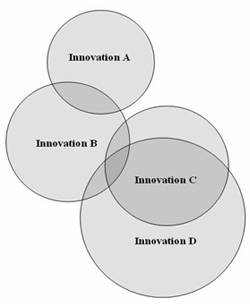
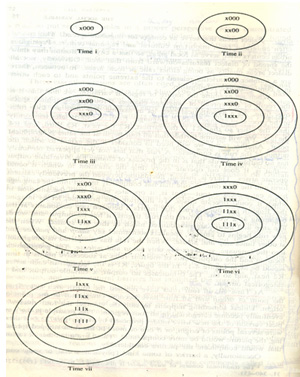
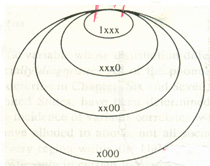
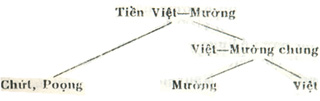
<p align="justify"><strong><span style="font-size: 11pt; color: blue"><font face="Times New Roman">&nbsp;&nbsp;&nbsp;&nbsp;&nbsp;&nbsp;&nbsp;&nbsp;&nbsp;&nbsp;&nbsp;&nbsp;&nbsp;&nbsp;&nbsp;&nbsp;&nbsp;&nbsp;&nbsp;&nbsp;&nbsp;&nbsp; &nbsp;L&Yacute; THUYẾT L&Agrave;N S&Oacute;NG TRONG NGHI&Ecirc;N CỨU <br /></font></span></strong><strong><span style="font-size: 11pt; color: blue"><font face="Times New Roman">&nbsp;&nbsp;&nbsp;&nbsp;&nbsp;&nbsp;&nbsp;&nbsp;&nbsp;&nbsp;&nbsp;&nbsp;&nbsp;&nbsp;&nbsp;&nbsp;&nbsp;&nbsp;&nbsp; NG&Ocirc;N NGỮ V&Agrave; VĂN H&Oacute;A THĂNG LONG - H&Agrave; HỘI<br /></font></span></strong><font face="Times New Roman"><font size="3"><em><font color="#000000"><span>&nbsp;&nbsp;&nbsp;&nbsp;&nbsp;&nbsp;&nbsp;&nbsp;&nbsp;&nbsp;&nbsp;&nbsp;&nbsp;&nbsp;&nbsp;&nbsp;&nbsp;&nbsp;&nbsp;&nbsp;&nbsp;&nbsp;&nbsp;&nbsp;&nbsp;&nbsp;&nbsp;&nbsp;&nbsp;&nbsp;&nbsp;&nbsp;&nbsp;&nbsp;&nbsp;&nbsp;&nbsp;&nbsp;&nbsp;&nbsp;&nbsp;&nbsp;&nbsp;&nbsp;&nbsp;</span><span>&nbsp;&nbsp;&nbsp;&nbsp;&nbsp;&nbsp;&nbsp;&nbsp;&nbsp;&nbsp;&nbsp;&nbsp;&nbsp;&nbsp;&nbsp;&nbsp;&nbsp;&nbsp;&nbsp;&nbsp;&nbsp;&nbsp;&nbsp;&nbsp;&nbsp;&nbsp;&nbsp;&nbsp;&nbsp;&nbsp;&nbsp;&nbsp;&nbsp;&nbsp;&nbsp;</span></font></em><span><span><font color="#000000">&nbsp;&nbsp;<br />&nbsp;&nbsp;&nbsp;&nbsp;&nbsp;&nbsp;&nbsp;&nbsp;&nbsp;&nbsp;&nbsp;&nbsp;&nbsp;&nbsp;&nbsp;&nbsp;&nbsp;&nbsp;&nbsp;&nbsp;&nbsp;&nbsp;&nbsp;&nbsp;&nbsp;&nbsp;&nbsp;&nbsp;&nbsp;&nbsp;&nbsp;&nbsp;&nbsp;&nbsp;&nbsp;&nbsp;&nbsp;&nbsp;&nbsp;&nbsp;&nbsp;&nbsp;&nbsp;&nbsp;&nbsp;&nbsp;&nbsp;&nbsp;&nbsp;&nbsp;&nbsp;&nbsp;&nbsp;&nbsp;&nbsp;&nbsp;&nbsp;&nbsp;&nbsp;&nbsp;&nbsp;&nbsp;&nbsp;&nbsp;&nbsp;&nbsp;&nbsp;&nbsp;&nbsp;&nbsp;&nbsp;&nbsp;&nbsp;&nbsp;&nbsp;&nbsp;&nbsp;&nbsp;&nbsp;&nbsp;&nbsp;&nbsp;&nbsp;&nbsp;&nbsp;&nbsp;&nbsp;&nbsp;&nbsp; &nbsp;&nbsp;&nbsp;&nbsp;</font></span><strong><span style="color: blue">TS. Trịnh Cẩm Lan *</span></strong></span></font></font><strong><font face="Times New Roman" size="3" color="#000000">&nbsp;<br /><br /></font></strong><strong><font size="3"><font color="#000000"><font face="Times New Roman">1. L&yacute; thuyết l&agrave;n s&oacute;ng l&agrave; g&igrave;?</font></font></font></strong> </p><p style="margin: 6pt 0cm 0pt; text-align: justify" class="MsoNormal" align="justify"><font size="3"><font color="#000000"><font face="Times New Roman"><span>&nbsp;&nbsp;&nbsp;&nbsp;&nbsp;&nbsp;&nbsp;&nbsp;&nbsp;&nbsp;&nbsp; </span><em>L&yacute; thuyết l&agrave;n s&oacute;ng (Wave theory)</em> hay <em>M&ocirc; h&igrave;nh l&agrave;n s&oacute;ng (Wave model)</em> l&agrave; một l&yacute; thuyết về sự biến đổi ng&ocirc;n ngữ, trong đ&oacute;, những h&igrave;nh thức mới của một ng&ocirc;n ngữ lan truyền từ một điểm trung t&acirc;m ra c&aacute;c v&ugrave;ng ngoại vi trong trạng th&aacute;i s&ocirc;i động ở trung t&acirc;m v&agrave; yếu dần ở ngoại vi. M&ocirc; h&igrave;nh n&agrave;y thường được so s&aacute;nh với h&igrave;nh ảnh được tạo ra khi ta n&eacute;m một h&ograve;n đ&aacute; xuống mặt nước.</font></font></font></p><p style="margin: 6pt 0cm 0pt; text-align: justify" class="MsoNormal" align="justify"><font color="#000000"><font face="Times New Roman"><font size="3"><span>&nbsp;&nbsp;&nbsp;&nbsp;&nbsp;&nbsp;&nbsp;&nbsp;&nbsp;&nbsp;&nbsp; </span>L&yacute; thuyết l&agrave;n s&oacute;ng được xem l&agrave; do c&aacute;c nh&agrave; nghi&ecirc;n cứu thuộc trường ph&aacute;i Truyền b&aacute; luận (diffussionism) ch&acirc;u &Acirc;u n&ecirc;u ra từ cuối thế kỷ XIX. Những người đầu ti&ecirc;n đề cập đến l&yacute; thuyết n&agrave;y l&agrave; hai nh&agrave; nghi&ecirc;n cứu người Đức Johannes Schmidt v&agrave; Hugo Schuchardt v&agrave;o năm 1872 </font></font></font><sup><span><sup><span style="font-size: 12pt; font-family: &#39;Times New Roman&#39;"><u><font color="#0000ff">[1]</font></u></span></sup></span></sup><font face="Times New Roman" size="3" color="#000000">. C&aacute;c nh&agrave; truyền b&aacute; luận cũng như hai nh&agrave; nghi&ecirc;n cứu l&agrave; t&aacute;c giả của l&yacute; thuyết l&agrave;n s&oacute;ng đều chủ trương rằng, mọi sự biến đổi v&agrave; c&aacute;ch t&acirc;n ng&ocirc;n ngữ (cũng như trong văn h&oacute;a) bao giờ cũng xuất ph&aacute;t từ một nơi rồi lan truyền ra c&aacute;c v&ugrave;ng kh&aacute;c v&agrave; ch&iacute;nh sự lan truyền ấy đ&atilde; tạo n&ecirc;n một động lực của sự ph&aacute;t triển ng&ocirc;n ngữ (hay văn h&oacute;a).</font></p><p style="margin: 6pt 0cm 0pt; text-align: justify" class="MsoNormal" align="justify"><font color="#000000"><font face="Times New Roman"><font size="3"><span>&nbsp;&nbsp;&nbsp;&nbsp;&nbsp;&nbsp;&nbsp;&nbsp;&nbsp;&nbsp;&nbsp; </span>Li&ecirc;n quan đến l&yacute; thuyết l&agrave;n s&oacute;ng l&agrave; một số c&aacute;c kh&aacute;i niệm, c&aacute;c m&ocirc; h&igrave;nh l&yacute; thuyết kh&aacute;c, kh&ocirc;ng chỉ trong nghi&ecirc;n cứu ng&ocirc;n ngữ, m&agrave; rộng hơn, cả trong v&agrave; trước hết l&agrave; trong nghi&ecirc;n cứu văn h&oacute;a. C&aacute;c nh&agrave; nghi&ecirc;n cứu văn h&oacute;a nh&acirc;n chủng học phương T&acirc;y cuối thế kỷ XIX đầu XX nhắc đến c&aacute;c kh&aacute;i niệm như <em>sự thi&ecirc;n di, sự lan tỏa, sự loang ra</em>&hellip; của văn h&oacute;a. Đ&oacute; l&agrave; sự truyền b&aacute; c&aacute;c hiện tượng văn h&oacute;a th&ocirc;ng qua những cuộc tiếp x&uacute;c giữa c&aacute;c d&acirc;n tộc, c&aacute;c bộ lạc bằng bu&ocirc;n b&aacute;n, di d&acirc;n v&agrave; thậm ch&iacute;&hellip; bằng x&acirc;m lược. Cũng c&oacute; một số học giả gọi l&yacute; thuyết truyền b&aacute; luận trong nghi&ecirc;n cứu văn h&oacute;a l&agrave; l&yacute; thuyết về c&aacute;c <em>v&ugrave;ng văn h&oacute;a</em> hay c&aacute;c <em>khu vực văn h&oacute;a</em></font></font></font><sup><span><sup><span style="font-size: 12pt; font-family: &#39;Times New Roman&#39;"><u><font color="#0000ff">[2]</font></u></span></sup></span></sup><font face="Times New Roman" size="3" color="#000000">. Tương tự như vậy, trong nghi&ecirc;n cứu ng&ocirc;n ngữ, c&aacute;c nh&agrave; ng&ocirc;n ngữ học cũng nhắc đến h&agrave;ng loạt c&aacute;c kh&aacute;i niệm ph&aacute;t sinh tr&ecirc;n cơ sở l&yacute; thuyết n&agrave;y như <em>sự truyền b&aacute;, sự lan tỏa, sự khuyếch t&aacute;n</em>&hellip; của c&aacute;c yếu tố ng&ocirc;n ngữ chủ yếu th&ocirc;ng qua tiếp x&uacute;c v&agrave; di d&acirc;n. Một trong những hệ luận nổi tiếng của Truyền b&aacute; luận l&agrave; <em>l&yacute; thuyết Trung t&acirc;m v&agrave; ngoại vi</em> trong nghi&ecirc;n cứu văn h&oacute;a (v&agrave; kh&ocirc;ng loại trừ cả trong ng&ocirc;n ngữ) do c&aacute;c nh&agrave; nh&acirc;n học X&ocirc; Viết đưa ra qua c&ocirc;ng tr&igrave;nh <em>&ldquo;Trung t&acirc;m v&agrave; ngoại vi trong nghi&ecirc;n cứu văn h&oacute;a từ sau c&aacute;c ph&aacute;t kiến địa l&yacute;&rdquo;</em> v&agrave;o cuối thập kỷ 70 đầu thập kỷ 80 của thế kỷ XX. Từ thực tế h&igrave;nh th&agrave;nh v&agrave; ph&aacute;t triển của c&aacute;c nền văn minh lớn tr&ecirc;n thế giới như văn minh Đ&ocirc;ng &Aacute; m&agrave; Trung Hoa l&agrave; trung t&acirc;m, văn minh Nam &Aacute; m&agrave; Ấn Độ l&agrave; trung t&acirc;m&hellip; c&aacute;c t&aacute;c giả Nga X&ocirc; Viết đ&atilde; ph&aacute;t hiện ra quy luật về sự lan truyền c&aacute;c yếu tố văn h&oacute;a từ trung t&acirc;m theo m&ocirc; h&igrave;nh l&agrave;n s&oacute;ng, cũng như sự t&aacute;c động qua lại giữa trung t&acirc;m v&agrave; ngoại vi trong c&aacute;c khu vực văn h&oacute;a </font><sup><span><sup><span style="font-size: 12pt; font-family: &#39;Times New Roman&#39;"><u><font color="#0000ff">[3]</font></u></span></sup></span></sup><font face="Times New Roman" size="3" color="#000000">. Kết quả đ&oacute; đ&atilde; mở ra nhiều khả năng ứng dụng để giải th&iacute;ch kh&ocirc;ng chỉ c&aacute;c quy luật văn h&oacute;a m&agrave; cả c&aacute;c quy luật ng&ocirc;n ngữ trong c&aacute;c nghi&ecirc;n cứu văn h&oacute;a v&agrave; ng&ocirc;n ngữ học hiện đại sau n&agrave;y. Li&ecirc;n quan trực tiếp đến l&yacute; thuyết l&agrave;n s&oacute;ng, l&yacute; thuyết trung t&acirc;m v&agrave; ngoại vi trong nghi&ecirc;n cứu ng&ocirc;n ngữ l&agrave; một kh&aacute;i niệm tương ứng trong ng&ocirc;n ngữ học, đ&oacute; l&agrave; kh&aacute;i niệm v&agrave; l&yacute; thuyết về c&aacute;c <em>khu vực ng&ocirc;n ngữ</em>, những khu vực được tạo ra do những l&agrave;n s&oacute;ng ng&ocirc;n ngữ với trung t&acirc;m v&agrave; ngoại vi của n&oacute;. C&aacute;c khu vực ng&ocirc;n ngữ thường được nhắc đến nhiều l&agrave; khu vực ng&ocirc;n ngữ Đ&ocirc;ng &Aacute;, khu vực ng&ocirc;n ngữ Ấn Độ, khu vực ng&ocirc;n ngữ Ban Căng&hellip; </font></p><p style="margin: 6pt 0cm 0pt; text-align: justify" class="MsoNormal" align="justify"><font size="3"><font color="#000000"><font face="Times New Roman"><span>&nbsp;&nbsp;&nbsp;&nbsp;&nbsp;&nbsp;&nbsp;&nbsp;&nbsp;&nbsp;&nbsp;&nbsp;&nbsp;&nbsp;&nbsp; &nbsp;&nbsp;&nbsp;&nbsp;&nbsp;&nbsp;&nbsp;&nbsp;&nbsp;&nbsp;&nbsp;&nbsp;&nbsp;&nbsp;&nbsp;&nbsp;&nbsp; <img src="https://ling.ussh.vnu.edu.vn/uploads/ling/nghien-cuu-khoa-hoc/2008_02/150208_1.jpg" alt=" " width="250" height="306" /></span></font></font></font></p><p style="margin: 6pt 0cm 0pt; text-align: center" class="MsoNormal" align="justify"><font face="Times New Roman" size="3" color="#000000">H&igrave;nh 1: M&ocirc; h&igrave;nh l&agrave;n s&oacute;ng của Johannes Schmidt, 1872</font></p><p style="margin: 6pt 0cm 0pt; text-align: justify" class="MsoNormal" align="justify"><font size="3"><font color="#000000"><font face="Times New Roman"><em>Nguồn:</em> Asher<span>&nbsp; </span>R. E., <em>The Encyclopedia of Languages and Linguistics</em>, Pergamon Press, 1994.</font></font></font></p><p style="margin: 6pt 0cm 0pt; text-indent: 36pt; text-align: justify" class="MsoNormal" align="justify"><font face="Times New Roman" size="3" color="#000000">Từ khi ra đời năm 1872 đến nay, l&yacute; thuyết l&agrave;n s&oacute;ng đ&atilde; c&oacute; những bước ph&aacute;t triển mới. Từ l&yacute; thuyết ban đầu m&agrave; Johannes Schmidt v&agrave; Hugo Schuchardt đưa ra theo m&ocirc; h&igrave;nh được minh họa ở h&igrave;nh 1, đến năm 1973, Charler Bailey trong nghi&ecirc;n cứu &ldquo;Những phương ph&aacute;p mới để ph&acirc;n t&iacute;ch biến thể trong tiếng Anh&rdquo; (New ways of Analyzing Variation in English)</font><sup><span><sup><span style="font-size: 12pt; font-family: &#39;Times New Roman&#39;"><u><font color="#0000ff">[4]</font></u></span></sup></span></sup><font face="Times New Roman" size="3" color="#000000"> đ&atilde; đưa ra một m&ocirc; h&igrave;nh l&agrave;n s&oacute;ng mới (H&igrave;nh 2 v&agrave; H&igrave;nh 3) tr&ecirc;n cơ sở nghi&ecirc;n cứu, kiểm chứng quy luật lan truyền của những l&agrave;n s&oacute;ng ng&ocirc;n ngữ trong ng&ocirc;n ngữ học x&atilde; hội hiện đại.</font></p><p style="margin: 6pt 0cm 0pt; text-align: center" class="MsoNormal" align="justify"><img src="https://ling.ussh.vnu.edu.vn/uploads/ling/nghien-cuu-khoa-hoc/2008_02/150208_2.jpg" alt=" " width="300" height="377" /></p><p style="margin: 0cm 0cm 0pt; text-align: center" class="MsoNormal" align="justify"><font face="Times New Roman" size="3" color="#000000">H&igrave;nh 2: M&ocirc; h&igrave;nh l&agrave;n s&oacute;ng mới theo kh&ocirc;ng gian v&agrave; thời gian</font></p><p style="margin: 0cm 0cm 0pt; text-align: center" class="MsoNormal" align="justify"><font face="Times New Roman" size="3" color="#000000">của Charler Bailey, 1973</font></p><p style="margin: 6pt 0cm 0pt; text-align: justify" class="MsoNormal" align="justify"><font size="3"><font color="#000000"><font face="Times New Roman"><em>Nguồn: </em>Walt W, Ralph W. Fasold, <em>The study of Social Dialects in American English</em>, Newbury House Publishers &amp; Rowley, Massachusetts, 1974, tr. 76.</font></font></font></p><p style="margin: 6pt 0cm 0pt; text-align: center" class="MsoNormal" align="justify"><img src="https://ling.ussh.vnu.edu.vn/uploads/ling/nghien-cuu-khoa-hoc/2008_02/150208_3.jpg" alt=" " width="210" height="166" /></p><p style="margin: 0cm 0cm 0pt; text-align: center" class="MsoNormal" align="justify"><font face="Times New Roman" size="3" color="#000000">H&igrave;nh 3: M&ocirc; h&igrave;nh l&agrave;n s&oacute;ng mới theo một hướng</font></p><p style="margin: 0cm 0cm 0pt; text-align: center" class="MsoNormal" align="justify"><font face="Times New Roman" size="3" color="#000000">của Charler Bailey, 1973</font></p><p style="margin: 6pt 0cm 0pt" class="MsoNormal" align="justify"><font size="3"><font color="#000000"><font face="Times New Roman"><em>Nguồn: </em>Walt W, Ralph W. Fasold, <em>The study of Social Dialects in American English</em>, Newbury House Publishers &amp; Rowley, Massachusetts, 1974, tr. 77.</font></font></font></p><p style="margin: 6pt 0cm 0pt; text-indent: 36pt; text-align: justify" class="MsoNormal" align="justify"><font face="Times New Roman" size="3" color="#000000">Tr&ecirc;n đ&acirc;y l&agrave; m&ocirc; h&igrave;nh l&agrave;n s&oacute;ng mới của Charler Bailey được biểu diễn bằng sự lan tỏa trong kh&ocirc;ng gian v&agrave; thời gian. Yếu tố kh&ocirc;ng gian được thể hiện qua những v&ograve;ng s&oacute;ng. Yếu tố thời gian được thể hiện quan c&aacute;c thời điểm kh&aacute;c nhau, từ thời điểm đầu ti&ecirc;n (Time i) đến thời điểm cuối c&ugrave;ng (Time vii). Theo m&ocirc; h&igrave;nh n&agrave;y, c&aacute;c v&ograve;ng s&oacute;ng đều khởi ph&aacute;t từ một điểm rồi lan truyền đều đặn ra xung quanh (H&igrave;nh 2) hoặc lan truyền theo một hướng (H&igrave;nh 3) v&agrave; tạo n&ecirc;n những khu vực ng&ocirc;n ngữ (hay phương ngữ) gồm trung t&acirc;m v&agrave; ngoại vi c&ugrave;ng c&oacute; chung những đặc trưng ng&ocirc;n ngữ nhất định. Về nguy&ecirc;n l&yacute;, đặc trưng cơ bản của khu vực trung t&acirc;m (focal areas), theo Walt W v&agrave; Ralph W. Fasold, l&agrave; sự thu h&uacute;t, t&iacute;ch hợp hay hội tụ (convergence), định h&igrave;nh rồi lan tỏa (spreading). Do vị thế ch&iacute;nh trị, văn h&oacute;a, x&atilde; hội&hellip; m&agrave; trung t&acirc;m bao giờ cũng c&oacute; sức thu h&uacute;t cao những yếu tố từ ngoại vi. Người ta gọi đ&oacute; l&agrave; chức năng &ldquo;tụ nh&acirc;n, tụ t&agrave;i&rdquo; của trung t&acirc;m. Sau qu&aacute; tr&igrave;nh thu h&uacute;t v&agrave; t&iacute;ch hợp v&agrave;o trung t&acirc;m, c&aacute;c yếu tố đ&oacute; sẽ được nh&agrave;o nặn v&agrave; định h&igrave;nh. Với t&iacute;nh năng động v&agrave; s&ocirc;i động của trung t&acirc;m, c&aacute;c sản phẩm đ&atilde; được định h&igrave;nh lại lan tỏa, truyền b&aacute; ra ngoại vi, dần dần tạo n&ecirc;n sự thống nhất diện mạo của một khu vực ng&ocirc;n ngữ hay phương ngữ. Trung t&acirc;m c&ograve;n c&oacute; một đặc trưng nữa, n&oacute; kh&ocirc;ng chỉ l&agrave; đầu mối giao lưu, tiếp x&uacute;c trong khu vực m&agrave; c&ograve;n cả ngo&agrave;i khu vực. Với đặc trưng n&agrave;y, trung t&acirc;m trở th&agrave;nh trạm trung chuyển những tiếp x&uacute;c từ c&aacute;c trung t&acirc;m b&ecirc;n ngo&agrave;i v&agrave;o khu vực. C&ograve;n c&aacute;c khu vực ngoại vi, ch&uacute;ng kh&ocirc;ng chỉ chịu lực h&uacute;t từ trung t&acirc;m m&agrave; c&ograve;n tiếp nhận sự lan toả của trung t&acirc;m. Ngoại vi bao giờ cũng &iacute;t s&ocirc;i động hơn trung t&acirc;m, những l&agrave;n s&oacute;ng ng&ocirc;n ngữ ra ngoại vi thường thưa hơn, yếu hơn v&agrave; c&oacute; phần tĩnh lặng l&agrave;m cho ng&ocirc;n ngữ ở ngoại vi thường lưu giữ được những dạng thức cổ hơn so với trung t&acirc;m. C&aacute;c nh&agrave; ng&ocirc;n ngữ gọi đ&acirc;y l&agrave; những <em>khu vực di t&iacute;ch</em> (relic areas)</font><sup><span><sup><span style="font-size: 12pt; font-family: &#39;Times New Roman&#39;"><u><font color="#0000ff">[5]</font></u></span></sup></span></sup><font face="Times New Roman" size="3" color="#000000"> hay c&aacute;c <em>h&oacute;a thạch ng&ocirc;n ngữ</em>. </font></p><p style="margin: 6pt 0cm 0pt; text-indent: 36pt; text-align: justify" class="MsoNormal" align="justify"><font face="Times New Roman" size="3" color="#000000">Mặc d&ugrave; đều dựa tr&ecirc;n một nguy&ecirc;n l&yacute; chung l&agrave; sự lan truyền của những v&ograve;ng s&oacute;ng từ một điểm n&agrave;o đ&oacute; trong kh&ocirc;ng gian rồi lan tỏa ra những khu vực l&acirc;n cận (theo Schmidt) v&agrave; ngoại vi (theo Bailey) nhưng những m&ocirc; h&igrave;nh minh họa được đưa ra trước v&agrave; sau một thế kỷ đ&atilde; c&oacute; những kh&aacute;c biệt đ&aacute;ng kể. M&ocirc; h&igrave;nh l&agrave;n s&oacute;ng của Schmidt, về bản chất, h&igrave;nh như vẫn chưa phản &aacute;nh được những quy luật lan truyền thực sự của &ldquo;l&agrave;n s&oacute;ng&rdquo;. Trong khi đ&oacute;, m&ocirc; h&igrave;nh l&agrave;n s&oacute;ng mới (new wave model) của Bailey theo c&aacute;ch gọi của Walt W v&agrave; Ralph W. Fasold, thực sự m&ocirc; h&igrave;nh h&oacute;a được quy luật lan truyền của s&oacute;ng (h&igrave;nh 2). Tất nhi&ecirc;n, t&aacute;c giả của n&oacute; cũng &yacute; thức được rằng đ&oacute; chỉ l&agrave; một m&ocirc; h&igrave;nh l&yacute; tưởng. Sự phức tạp sẽ nảy sinh khi xuất hiện một vật cản n&agrave;o đ&oacute; - một yếu tố tự nhi&ecirc;n hay x&atilde; hội</font><sup><span><sup><span style="font-size: 12pt; font-family: &#39;Times New Roman&#39;"><u><font color="#0000ff">[6]</font></u></span></sup></span></sup><font face="Times New Roman" size="3" color="#000000"> - l&agrave;m chặn đứng sự lan truyền của s&oacute;ng ở một điểm, tạo ra m&ocirc; h&igrave;nh l&agrave;n s&oacute;ng lan truyền theo một hướng (h&igrave;nh 3). Đ&oacute; l&agrave; bằng chứng về bước ph&aacute;t triển v&agrave; sự cơ động trong m&ocirc; h&igrave;nh của Bailey m&agrave; ch&uacute;ng t&ocirc;i muốn nhấn mạnh.</font></p><p style="margin: 6pt 0cm 0pt; text-align: justify" class="MsoNormal" align="justify"><font color="#000000"><font face="Times New Roman"><font size="3"><span>&nbsp;&nbsp;&nbsp;&nbsp;&nbsp;&nbsp;&nbsp;&nbsp;&nbsp;&nbsp;&nbsp; </span>Từ khi ra đời, l&yacute; thuyết l&agrave;n s&oacute;ng đ&atilde; mang lại nhiều hiệu lực giải th&iacute;ch trong nghi&ecirc;n cứu sự biến đổi ng&ocirc;n ngữ, một trong những t&acirc;m điểm nghi&ecirc;n cứu của ng&ocirc;n ngữ học x&atilde; hội v&agrave; phương ngữ học. Tiếp thu những quy luật lan truyền của l&agrave;n s&oacute;ng ng&ocirc;n ngữ, c&aacute;c nh&agrave; ng&ocirc;n ngữ học x&atilde; hội đ&atilde; vận dụng trong nghi&ecirc;n cứu h&agrave;ng loạt c&aacute;c vấn đề của ng&ocirc;n ngữ học hiện đại như vấn đề tiếp x&uacute;c ng&ocirc;n ngữ giữa c&aacute;c cộng đồng ng&ocirc;n từ kh&aacute;c nhau, vấn đề song ngữ, đa ngữ&hellip; Đặc biệt, sự truyền b&aacute; v&agrave; khuyếch t&aacute;n ng&ocirc;n ngữ trở th&agrave;nh một trong những chủ đề xuy&ecirc;n suốt trong ng&ocirc;n ngữ học x&atilde; hội từ thập kỷ 70 của thế kỷ XX cho đến tận b&acirc;y giờ. C&ocirc;ng tr&igrave;nh gần đ&acirc;y nhất của W. Labov <em>&ldquo;Sự truyền b&aacute; v&agrave; khuyếch t&aacute;n&rdquo;</em> (Transmission and Diffusion) đăng tr&ecirc;n &ldquo;Language&rdquo; số 83, th&aacute;ng 6 năm 2007 đ&atilde; tổng kết tới mấy chục c&ocirc;ng tr&igrave;nh nghi&ecirc;n cứu sự lan truyền của c&aacute;c yếu tố ng&ocirc;n ngữ ở nhiều khu vực ng&ocirc;n ngữ kh&aacute;c nhau tr&ecirc;n thế giới </font></font></font><sup><span><sup><span style="font-size: 12pt; font-family: &#39;Times New Roman&#39;"><u><font color="#0000ff">[7]</font></u></span></sup></span></sup><font face="Times New Roman" size="3" color="#000000">.</font></p><p align="justify"><strong><font size="3"><font color="#000000"><font face="Times New Roman">2. L&yacute; thuyết l&agrave;n s&oacute;ng trong nghi&ecirc;n cứu ng&ocirc;n ngữ, văn h&oacute;a Thăng Long - H&agrave; Nội</font></font></font></strong><em><font size="3"><font color="#000000"><font face="Times New Roman"><br />2.1. Trường hợp 1: t&iacute;ch hợp v&agrave; lan tỏa trong tiếng Việt ở H&agrave; Nội thời dựng nước</font></font></font></em></p><p align="justify"><span style="letter-spacing: 0.1pt"><font face="Times New Roman" size="3" color="#000000">&nbsp;&nbsp;&nbsp;&nbsp;&nbsp;&nbsp;&nbsp; Theo sử s&aacute;ch, vua H&ugrave;ng lập quốc rồi định đ&ocirc; ở Bạch Hạc (Việt Tr&igrave;), đỉnh ch&oacute;p cao nhất của tam gi&aacute;c ch&acirc;u thổ s&ocirc;ng Hồng, v&igrave; đ&oacute; l&agrave; v&ugrave;ng gi&aacute;p ranh giữa miền n&uacute;i v&agrave; miền xu&ocirc;i </font><sup><span><sup><span style="font-size: 12pt; font-family: &#39;Times New Roman&#39;; letter-spacing: 0.1pt"><u><font color="#0000ff">[8]</font></u></span></sup></span></sup><font face="Times New Roman" size="3" color="#000000">. Gần hai ngh&igrave;n năm sau, vua Thục dời đ&ocirc; xuống Cổ Loa, trung t&acirc;m kinh tế - văn h&oacute;a của đất nước đ&atilde; bị h&uacute;t về xu&ocirc;i, đỉnh ch&oacute;p thứ hai của tam gi&aacute;c ch&acirc;u thổ s&ocirc;ng Hồng ở ng&atilde; ba s&ocirc;ng Đuống đ&atilde; được định vị. Nhiều nguồn sử liệu đ&atilde; cho biết rằng tam gi&aacute;c ch&acirc;u thổ s&ocirc;ng Hồng n&agrave;y ch&iacute;nh l&agrave; c&aacute;i n&ocirc;i của người Việt cổ. Nhưng t&iacute;nh chất Việt cổ nơi đ&acirc;y lại l&agrave; kết quả của một sự h&ograve;a trộn của nhiều tộc người kh&aacute;c nhau trong một cộng đồng chung thống nhất. Theo Trần Quốc Vượng, đ&oacute; l&agrave; sự h&ograve;a trộn của <em>&ldquo;những nh&acirc;n tố cư d&acirc;n - ng&ocirc;n ngữ - văn h&oacute;a: M&ocirc;n Khme cổ, T&agrave;y Th&aacute;i cổ, M&atilde; Lai cổ v&agrave; thậm ch&iacute; cả Tạng Miến cổ trong sự h&igrave;nh th&agrave;nh phức hệ cư d&acirc;n - ng&ocirc;n ngữ - văn h&oacute;a Việt cổ&rdquo;</em> </font><sup><span><sup><span style="font-size: 12pt; font-family: &#39;Times New Roman&#39;; letter-spacing: 0.1pt"><u><font color="#0000ff">[9]</font></u></span></sup></span></sup><font size="3"><font color="#000000"><font face="Times New Roman">. </font></font></font></span></p><p style="margin: 6pt 0cm 0pt; text-indent: 36pt; text-align: justify" class="MsoNormal" align="justify"><font face="Times New Roman" size="3" color="#000000">Tr&ecirc;n cơ sở thu thập v&agrave; ph&acirc;n t&iacute;ch những cứ liệu về qu&aacute; tr&igrave;nh hội tụ v&agrave; ph&acirc;n h&oacute;a tộc người - ng&ocirc;n ngữ - văn h&oacute;a dẫn đến sự h&igrave;nh th&agrave;nh những phức hợp văn h&oacute;a mới kiểu Đ&ocirc;ng Sơn v&agrave; những nh&oacute;m ng&ocirc;n ngữ mới kiểu nh&oacute;m Việt - Mường, nh&oacute;m Ch&agrave;m, nh&oacute;m M&egrave;o - Dao&hellip;, c&aacute;c nh&agrave; khảo cổ học v&agrave; ng&ocirc;n ngữ học cho rằng nh&oacute;m Việt - Mường l&agrave; kết quả của sự hội tụ v&agrave; tiếp x&uacute;c của một bộ phận cư d&acirc;n M&ocirc;n Khme với một bộ phận cư d&acirc;n T&agrave;y Th&aacute;i</font><sup><span><sup><span style="font-size: 12pt; font-family: &#39;Times New Roman&#39;"><u><font color="#0000ff">[10]</font></u></span></sup></span></sup><font face="Times New Roman" size="3" color="#000000">. Kết quả nghi&ecirc;n cứu đ&oacute; cho ph&eacute;p c&aacute;c học giả như H&agrave; Văn Tấn, Phạm Đức Dương&hellip; đưa ra giả thiết về những con đường thi&ecirc;n di trong lịch sử, được x&aacute;c định l&agrave; v&agrave;o khoảng thi&ecirc;n ni&ecirc;n kỷ thứ 2 trước C&ocirc;ng nguy&ecirc;n. Giả thiết cho rằng v&agrave;o thời gian n&agrave;y, h&agrave;ng loạt c&aacute;c cộng đồng tộc người m&agrave; chủ yếu những cư d&acirc;n M&ocirc;n Khme v&ugrave;ng Bắc Đ&ocirc;ng Dương (v&ugrave;ng Thượng L&agrave;o) - những người n&oacute;i tiếng tiền Việt Mường v&agrave; sống bằng nghề săn bắt h&aacute;i lượm v&agrave; l&agrave;m nương tr&ecirc;n c&aacute;c triền n&uacute;i cao, do sức hấp dẫn của năng suất<span>&nbsp; </span>l&uacute;a nước v&agrave; cuộc sống ổn định dưới đồng bằng, đ&atilde; di cư &agrave;o ạt xuống c&aacute;c v&ugrave;ng trũng xung quanh vịnh H&agrave; Nội</font><sup><span><sup><span style="font-size: 12pt; font-family: &#39;Times New Roman&#39;"><u><font color="#0000ff">[11]</font></u></span></sup></span></sup><font face="Times New Roman" size="3" color="#000000">, thuộc tam gi&aacute;c ch&acirc;u thổ s&ocirc;ng Hồng, cộng cư rồi h&ograve;a huyết với c&aacute;c cộng đồng n&oacute;i tiếng T&agrave;y Th&aacute;i cổ ở đ&acirc;y. Trong qu&aacute; tr&igrave;nh khai khẩn đồng bằng s&ocirc;ng Hồng, cộng đồng cộng cư đ&oacute; đ&atilde; ph&aacute;t triển th&agrave;nh một cộng đồng mới: cộng đồng cư d&acirc;n Việt Mường, những người n&oacute;i tiếng Việt - Mường chung. V&igrave; l&yacute; do đ&oacute;, c&aacute;c nh&agrave; nghi&ecirc;n cứu lịch sử tiếng Việt đ&atilde; khẳng định tiếng tiền Việt Mường, tiếng n&oacute;i của tổ ti&ecirc;n người Việt thời dựng nước - những người đ&atilde; cư tr&uacute; tr&ecirc;n địa b&agrave;n xung quanh v&ugrave;ng vịnh H&agrave; Nội thời đ&oacute; - c&oacute; cơ tầng M&ocirc;n Khme v&agrave; cơ chế T&agrave;y Th&aacute;i. </font></p><p style="margin: 6pt 0cm 0pt; text-indent: 36pt; text-align: justify" class="MsoNormal" align="justify"><font face="Times New Roman" size="3" color="#000000">Những dấu t&iacute;ch ng&ocirc;n ngữ trong qu&aacute; tr&igrave;nh ph&aacute;t triển lịch sử của tiếng Việt phản &aacute;nh rất r&otilde; sự hội tụ n&agrave;y.</font></p><p style="margin: 6pt 0cm 0pt; text-indent: 36pt; text-align: justify" class="MsoNormal" align="justify"><font face="Times New Roman" size="3" color="#000000">Về mặt ngữ &acirc;m, ti&ecirc;u biểu hơn cả l&agrave; hiện tượng đơn tiết h&oacute;a do ảnh hưởng của cơ chế T&agrave;y Th&aacute;i l&agrave; những ng&ocirc;n ngữ đơn tiết. Đ&oacute; l&agrave; việc mất hẳn phương thức phụ tố, cấu tr&uacute;c từ chuyển từ dạng CCVC th&agrave;nh CVC l&agrave;m n&ecirc;n đại đa số trường hợp &acirc;m tiết tr&ugrave;ng với từ, tr&ugrave;ng với h&igrave;nh vị. Hệ quả l&agrave; tiếng Việt Mường chung c&oacute; cấu tr&uacute;c &acirc;m tiết kiểu CVC, nh&oacute;m phụ &acirc;m đầu bị rụng ho&agrave;n to&agrave;n, chỉ c&ograve;n rải r&aacute;c v&agrave;i yếu tố phụ đi theo phụ &acirc;m đầu như bl, tl, ml&hellip; Dấu t&iacute;ch của những phụ &acirc;m n&agrave;y đến thời gian gần đ&acirc;y vẫn c&ograve;n ở một số đảo ngữ thuộc khu 4 cũ, v&ugrave;ng phương ngữ Nghệ Tĩnh</font><sup><span><sup><span style="font-size: 12pt; font-family: &#39;Times New Roman&#39;"><u><font color="#0000ff">[12]</font></u></span></sup></span></sup><font face="Times New Roman" size="3" color="#000000">. Trong qu&aacute; tr&igrave;nh ph&aacute;t triển của lịch sử tiếng Việt, đặc biệt l&agrave; giai đoạn từ tiền Việt Mường chuyển sang Việt Mường chung, vai tr&ograve; của sự hội tụ v&agrave; h&ograve;a trộn với c&aacute;c ng&ocirc;n ngữ T&agrave;y Th&aacute;i l&agrave; quan trọng nhất. Thưc tế, tiếng Chứt ở miền T&acirc;y Quảng B&igrave;nh, tiếng Poọng ở miền T&acirc;y Nghệ Tĩnh l&agrave; dấu vết c&ograve;n lại của tiếng tiền Việt Mường m&agrave; chủ nh&acirc;n của n&oacute; l&agrave; những cư d&acirc;n tiền Việt Mường kh&ocirc;ng di cư xuống v&ugrave;ng vịnh H&agrave; Nội. C&oacute; thể quan s&aacute;t sơ đồ sau đ&acirc;y của H&agrave; Văn Tấn để h&igrave;nh dung r&otilde; hơn về điều đ&oacute;:</font></p><p align="justify">&nbsp;</p><p style="margin: 6pt 0cm 0pt; text-indent: 36pt; text-align: justify" class="MsoNormal" align="justify"><span><font face="Times New Roman" size="3" color="#000000">&nbsp;&nbsp;&nbsp;&nbsp;&nbsp;&nbsp;&nbsp; <img style="width: 371px; height: 111px" src="https://ling.ussh.vnu.edu.vn/uploads/ling/nghien-cuu-khoa-hoc/2008_02/150208_4.jpg" alt=" " width="371" height="111" /></font></span></p><p align="justify">&nbsp;</p><p style="margin: 6pt 0cm 0pt; text-indent: 36pt; text-align: center" class="MsoNormal" align="justify"><font face="Times New Roman" size="3" color="#000000">H&igrave;nh 4: Sơ đồ qu&aacute; tr&igrave;nh chuyển biến của c&aacute;c ng&ocirc;n ngữ Việt Mường,</font></p><p style="margin: 6pt 0cm 0pt; text-indent: 36pt; text-align: center" class="MsoNormal" align="justify"><font face="Times New Roman" size="3" color="#000000">H&agrave; Văn Tấn. 1977.</font></p><p style="margin: 3pt 0cm 6pt 35.3pt; text-align: justify" class="MsoNormal" align="justify"><font size="3"><font color="#000000"><font face="Times New Roman"><em>Nguồn: </em>Phan Ngọc v&agrave; Phạm Đức Dương,<em> Tiếp x&uacute;c ng&ocirc;n ngữ ở Đ&ocirc;ng Nam &Aacute;, </em>Viện Đ&ocirc;ng Nam &Aacute;, H&agrave; Nội, 1983, tr. 123.<span>&nbsp;&nbsp;&nbsp;&nbsp;&nbsp;&nbsp;&nbsp;&nbsp;&nbsp;&nbsp;&nbsp;&nbsp;&nbsp;&nbsp;&nbsp;&nbsp;&nbsp;&nbsp;&nbsp;&nbsp;&nbsp;&nbsp;&nbsp; </span></font></font></font></p><p style="margin: 6pt 0cm 0pt; text-indent: 35.3pt; text-align: justify" class="MsoNormal" align="justify"><font face="Times New Roman" size="3" color="#000000">Về mặt từ vựng, kh&aacute;c với c&aacute;c ng&ocirc;n ngữ tiền Việt Mường c&ograve;n bảo lưu trong tiếng Chứt, tiếng Poọng, do tiếp x&uacute;c v&agrave; hội tụ với c&aacute;c ng&ocirc;n ngữ T&agrave;y Th&aacute;i, tiếng Việt Mường chung đ&atilde; c&oacute; một sự pha trộn đ&aacute;ng kể về vốn từ do một số lượng lớn c&aacute;c từ vựng gốc Th&aacute;i du nhập v&agrave;o. Tiếng Việt hiện nay c&ograve;n bảo lưu rất nhiều yếu tố gốc Th&aacute;i trong c&aacute;c kết cấu hỗn hợp kiểu:</font></p><p style="margin: 6pt 0cm 0pt; text-indent: 35.3pt; text-align: justify" class="MsoNormal" align="justify"><font face="Times New Roman" size="3" color="#000000">- c&aacute; bống <em>m&uacute;</em>, lược <em>b&iacute;</em>, mặt <em>nạ</em>, mưa <em>ph&ugrave;n</em>&hellip;(yếu tố T&agrave;y Th&aacute;i in nghi&ecirc;ng, c&ugrave;ng nghĩa nhưng l&agrave;m định ngữ cho yếu tố Việt)</font></p><p style="margin: 6pt 0cm 0pt; text-indent: 35.3pt; text-align: justify" class="MsoNormal" align="justify"><font face="Times New Roman" size="3" color="#000000">- ch&oacute; <em>m&aacute;</em>, cỏ <em>giả</em>, tre <em>pheo</em>, &aacute;o <em>xống</em>, ki&ecirc;ng <em>khem</em>&hellip; &hellip;(yếu tố T&agrave;y Th&aacute;i c&ugrave;ng nghĩa nhưng bị mất nghĩa l&agrave;m cho từ mang n&eacute;t nghĩa kh&aacute;i qu&aacute;t)</font></p><p style="margin: 6pt 0cm 0pt; text-indent: 35.3pt; text-align: justify" class="MsoNormal" align="justify"><font face="Times New Roman" size="3" color="#000000">- trắng <em>n&otilde;n</em>, xanh <em>l&egrave;</em>, thơm <em>phức</em>&hellip; (yếu tố T&agrave;y Th&aacute;i bị mất nghĩa l&agrave;m cho từ sắc th&aacute;i v&agrave; n&eacute;t nghĩa hạn định)</font></p><p style="margin: 6pt 0cm 0pt; text-indent: 35.3pt; text-align: justify" class="MsoNormal" align="justify"><font face="Times New Roman" size="3" color="#000000">H&agrave;ng loạt c&aacute;c từ thuộc lớp từ vựng cơ bản chỉ những con vật quen thuộc trong đời sống như <em>g&agrave;, vịt&hellip;</em><span>&nbsp; </span>trong tiếng Việt cũng l&agrave; những từ gốc Th&aacute;i.</font></p><p style="margin: 6pt 0cm 0pt; text-indent: 35.3pt; text-align: justify" class="MsoNormal" align="justify"><font face="Times New Roman" size="3" color="#000000">C&ograve;n rất nhiều những cứ liệu ng&ocirc;n ngữ kh&aacute;c m&agrave; Phạm Đức Dương đ&atilde; đưa ra trong c&ocirc;ng tr&igrave;nh của &ocirc;ng về vấn đề n&agrave;y m&agrave; ch&uacute;ng t&ocirc;i kh&ocirc;ng thể dẫn ra hết (Xin tham khảo Phan Ngọc v&agrave; Phạm Đức Dương, đ&atilde; dẫn)</font></p><p style="margin: 6pt 0cm 0pt; text-indent: 36pt; text-align: justify" class="MsoNormal" align="justify"><font face="Times New Roman" size="3" color="#000000">Kh&ocirc;ng chỉ thế, ngo&agrave;i hai yếu tố ch&iacute;nh l&agrave; M&ocirc;n Khme v&agrave; T&agrave;y Th&aacute;i, tiếng Việt Mường c&ograve;n được cho l&agrave; h&igrave;nh th&agrave;nh bởi cả những yếu tố thuộc d&ograve;ng M&atilde; Lai, Tạng Miến&hellip; Thực tế, những dấu t&iacute;ch để lại về mặt địa danh m&agrave; Trần Tr&iacute; D&otilde;i sau n&agrave;y đ&atilde; t&igrave;m ra bằng phương ph&aacute;p phục nguy&ecirc;n nguồn gốc ng&ocirc;n ngữ như s&ocirc;ng &ldquo;C&agrave; Lồ&rdquo;, l&agrave;ng &ldquo;C&aacute;n Kh&ecirc;&rdquo; (địa danh thuộc huyện Đ&ocirc;ng Anh, ngoại th&agrave;nh H&agrave; Nội) với nguồn gốc Nam Đảo</font><sup><span><sup><span style="font-size: 12pt; font-family: &#39;Times New Roman&#39;"><u><font color="#0000ff">[13]</font></u></span></sup></span></sup><font face="Times New Roman" size="3" color="#000000"> l&agrave; một trong những cứ liệu ng&ocirc;n ngữ x&aacute;c đ&aacute;ng chứng minh cho sự hội tụ tr&ecirc;n đ&acirc;y từ trong lịch sử. Những số đếm đơn giản như <em>một, hai, </em>cho đến<em> mười, </em>rồi<em> trăm, ng&agrave;n</em>&hellip; lại c&oacute; cội nguồn Nam &Aacute;</font><sup><span><sup><span style="font-size: 12pt; font-family: &#39;Times New Roman&#39;"><u><font color="#0000ff">[14]</font></u></span></sup></span></sup><font face="Times New Roman" size="3" color="#000000"> được mượn v&agrave;o tiếng Việt từ thời kỳ đầu v&agrave; tồn tại đến tận ng&agrave;y nay. Sự tiếp nhận từ khu vực b&ecirc;n ngo&agrave;i đ&oacute;, qua một trạm trung chuyển l&agrave; H&agrave; Nội cổ, rồi trở th&agrave;nh những l&agrave;n s&oacute;ng ng&ocirc;n ngữ lan tỏa ra khắp xung quanh v&agrave; c&aacute;c v&ugrave;ng phụ cận. Kết quả, chẳng ai c&ograve;n nhớ ch&iacute;nh x&aacute;c l&agrave; từ khi n&agrave;o những đơn vị từ vựng đ&oacute; đ&atilde; trở th&agrave;nh phương tiện giao tiếp chung của tất cả người Việt.</font></p><p align="justify"><em><font size="3"><font color="#000000"><font face="Times New Roman">2.2. Trường hợp 2: t&iacute;ch hợp v&agrave; lan tỏa sự tiếp x&uacute;c Việt H&aacute;n </font></font></font></em></p><p style="margin: 6pt 0cm 0pt; text-indent: 36pt; text-align: justify" class="MsoNormal" align="justify"><font size="3"><font color="#000000"><font face="Times New Roman"><span>&nbsp;</span>Lịch sử cho thấy, v&agrave;o khoảng đầu C&ocirc;ng nguy&ecirc;n, người Việt ở đất Giao Chỉ, đặc biệt l&agrave; ở v&ugrave;ng Long Bi&ecirc;n - H&agrave; Nội, đ&atilde; bắt đầu tiếp x&uacute;c với tiếng H&aacute;n do việc c&aacute;c quan th&aacute;i th&uacute; bắt đầu mở trường dạy chữ H&aacute;n ở Long Bi&ecirc;n. Khi Trung Hoa loạn lạc, rất nhiều người thuộc tầng lớp quan lại Trung Hoa đ&atilde; chạy sang đất Giao Chỉ sinh sống v&agrave; họ cư tr&uacute; chủ yếu ở v&ugrave;ng Long Bi&ecirc;n - H&agrave; Nội. Đ&acirc;y l&agrave; một bộ phận cư d&acirc;n quan trọng g&oacute;p phần th&uacute;c đẩy sự tiếp x&uacute;c ng&ocirc;n ngữ v&agrave; văn h&oacute;a Việt - H&aacute;n v&agrave; tạo n&ecirc;n diện mạo lịch sử của tiếng Việt giai đoạn n&agrave;y. C&oacute; thể n&ecirc;u một c&aacute;ch kh&aacute;i qu&aacute;t diện mạo đ&oacute; như sau:</font></font></font></p><p style="margin: 6pt 0cm 0pt; text-indent: 36pt; text-align: justify" class="MsoNormal" align="justify"><font face="Times New Roman" size="3" color="#000000">- Sự tiếp x&uacute;c với tiếng H&aacute;n ảnh hưởng mạnh đến sự ph&aacute;t triển nội bộ của tiếng Việt. Những từ gốc H&aacute;n được tiếng Việt vay mượn v&agrave;o thời kỳ n&agrave;y được giới Việt ngữ học gọi l&agrave; c&aacute;c từ H&aacute;n - Việt cổ. Thời kỳ n&agrave;y, tiếng Việt Mường chung, qua tiếp x&uacute;c, đ&atilde; mượn một số từ H&aacute;n lẻ tẻ v&agrave;o để l&agrave;m phong ph&uacute; th&ecirc;m cho c&aacute;ch diễn đạt của m&igrave;nh. Những từ được mượn thời đ&oacute; l&agrave; những từ H&aacute;n Cổ v&agrave; được đọc m&ocirc; phỏng theo &acirc;m H&aacute;n cổ, kh&ocirc;ng giống với c&aacute;ch đọc H&aacute;n Việt của thời kỳ sau (từ đời Đường trở đi). Đối chiếu một số từ được mượn thời kỳ n&agrave;y v&agrave; đọc theo &acirc;m H&aacute;n cổ với ch&iacute;nh n&oacute; được mượn v&agrave;o thời kỳ sau v&agrave; đọc theo &acirc;m H&aacute;n Việt c&oacute; thể thấy điều đ&oacute;:</font></p><div align="justify"><table border="1" cellspacing="0" cellpadding="0" class="MsoNormalTable" style="border: medium none ; border-collapse: collapse"><tbody><tr><td width="108" valign="top" style="border: 1pt solid windowtext; padding: 0cm 5.4pt; width: 81pt; background-color: transparent"><strong><em><font color="#000000"><font face="Times New Roman">H&aacute;n cổ</font></font></em></strong></td><td width="120" valign="top" style="border-style: solid solid solid none; border-color: windowtext windowtext windowtext #f4f4f4; border-width: 1pt 1pt 1pt medium; padding: 0cm 5.4pt; width: 90pt; background-color: transparent"><strong><em><font color="#000000"><font face="Times New Roman">H&aacute;n Việt</font></font></em></strong></td><td width="108" valign="top" style="border-style: solid solid solid none; border-color: windowtext windowtext windowtext #f4f4f4; border-width: 1pt 1pt 1pt medium; padding: 0cm 5.4pt; width: 81pt; background-color: transparent"><strong><em><font color="#000000"><font face="Times New Roman">H&aacute;n cổ</font></font></em></strong></td><td width="120" valign="top" style="border-style: solid solid solid none; border-color: windowtext windowtext windowtext #f4f4f4; border-width: 1pt 1pt 1pt medium; padding: 0cm 5.4pt; width: 90pt; background-color: transparent"><strong><em><font color="#000000"><font face="Times New Roman">H&aacute;n Việt</font></font></em></strong></td></tr><tr><td width="108" valign="top" style="border-style: none solid solid; border-color: #f4f4f4 windowtext windowtext; border-width: medium 1pt 1pt; padding: 0cm 5.4pt; width: 81pt; background-color: transparent"><em><font color="#000000"><font face="Times New Roman">bụa</font></font></em></td><td width="120" valign="top" style="border-style: none solid solid none; border-color: rgb(244, 244, 244) windowtext windowtext rgb(244, 244, 244); border-width: medium 1pt 1pt medium; padding: 0cm 5.4pt; width: 90pt; background-color: transparent"><em><font color="#000000"><font face="Times New Roman">phụ</font></font></em></td><td width="108" valign="top" style="border-style: none solid solid none; border-color: rgb(244, 244, 244) windowtext windowtext rgb(244, 244, 244); border-width: medium 1pt 1pt medium; padding: 0cm 5.4pt; width: 81pt; background-color: transparent"><em><font color="#000000"><font face="Times New Roman">Ch&eacute;m</font></font></em></td><td width="120" valign="top" style="border-style: none solid solid none; border-color: rgb(244, 244, 244) windowtext windowtext rgb(244, 244, 244); border-width: medium 1pt 1pt medium; padding: 0cm 5.4pt; width: 90pt; background-color: transparent"><em><font color="#000000"><font face="Times New Roman">trảm</font></font></em></td></tr><tr><td width="108" valign="top" style="border-style: none solid solid; border-color: #f4f4f4 windowtext windowtext; border-width: medium 1pt 1pt; padding: 0cm 5.4pt; width: 81pt; background-color: transparent"><em><font color="#000000"><font face="Times New Roman">buồm</font></font></em></td><td width="120" valign="top" style="border-style: none solid solid none; border-color: rgb(244, 244, 244) windowtext windowtext rgb(244, 244, 244); border-width: medium 1pt 1pt medium; padding: 0cm 5.4pt; width: 90pt; background-color: transparent"><em><font color="#000000"><font face="Times New Roman">ph&agrave;m</font></font></em></td><td width="108" valign="top" style="border-style: none solid solid none; border-color: rgb(244, 244, 244) windowtext windowtext rgb(244, 244, 244); border-width: medium 1pt 1pt medium; padding: 0cm 5.4pt; width: 81pt; background-color: transparent"><em><font color="#000000"><font face="Times New Roman">Ch&eacute;n</font></font></em></td><td width="120" valign="top" style="border-style: none solid solid none; border-color: rgb(244, 244, 244) windowtext windowtext rgb(244, 244, 244); border-width: medium 1pt 1pt medium; padding: 0cm 5.4pt; width: 90pt; background-color: transparent"><em><font color="#000000"><font face="Times New Roman">trản</font></font></em></td></tr><tr><td width="108" valign="top" style="border-style: none solid solid; border-color: #f4f4f4 windowtext windowtext; border-width: medium 1pt 1pt; padding: 0cm 5.4pt; width: 81pt; background-color: transparent"><em><font color="#000000"><font face="Times New Roman">buồn</font></font></em></td><td width="120" valign="top" style="border-style: none solid solid none; border-color: rgb(244, 244, 244) windowtext windowtext rgb(244, 244, 244); border-width: medium 1pt 1pt medium; padding: 0cm 5.4pt; width: 90pt; background-color: transparent"><em><font color="#000000"><font face="Times New Roman">phiền</font></font></em></td><td width="108" valign="top" style="border-style: none solid solid none; border-color: rgb(244, 244, 244) windowtext windowtext rgb(244, 244, 244); border-width: medium 1pt 1pt medium; padding: 0cm 5.4pt; width: 81pt; background-color: transparent"><em><font color="#000000"><font face="Times New Roman">Đũa</font></font></em></td><td width="120" valign="top" style="border-style: none solid solid none; border-color: rgb(244, 244, 244) windowtext windowtext rgb(244, 244, 244); border-width: medium 1pt 1pt medium; padding: 0cm 5.4pt; width: 90pt; background-color: transparent"><em><font color="#000000"><font face="Times New Roman">trợ</font></font></em></td></tr><tr><td width="108" valign="top" style="border-style: none solid solid; border-color: #f4f4f4 windowtext windowtext; border-width: medium 1pt 1pt; padding: 0cm 5.4pt; width: 81pt; background-color: transparent"><em><font color="#000000"><font face="Times New Roman">buồng</font></font></em></td><td width="120" valign="top" style="border-style: none solid solid none; border-color: rgb(244, 244, 244) windowtext windowtext rgb(244, 244, 244); border-width: medium 1pt 1pt medium; padding: 0cm 5.4pt; width: 90pt; background-color: transparent"><em><font color="#000000"><font face="Times New Roman">ph&ograve;ng</font></font></em></td><td width="108" valign="top" style="border-style: none solid solid none; border-color: rgb(244, 244, 244) windowtext windowtext rgb(244, 244, 244); border-width: medium 1pt 1pt medium; padding: 0cm 5.4pt; width: 81pt; background-color: transparent"><em><font color="#000000"><font face="Times New Roman">mạng</font></font></em></td><td width="120" valign="top" style="border-style: none solid solid none; border-color: rgb(244, 244, 244) windowtext windowtext rgb(244, 244, 244); border-width: medium 1pt 1pt medium; padding: 0cm 5.4pt; width: 90pt; background-color: transparent"><em><font color="#000000"><font face="Times New Roman">mệnh</font></font></em></td></tr></tbody></table></div><p style="margin: 6pt 0cm 0pt; text-indent: 36pt; text-align: justify" class="MsoNormal" align="justify"><font face="Times New Roman" size="3" color="#000000">Trong qu&aacute; tr&igrave;nh n&agrave;y, Long Bi&ecirc;n - H&agrave; Nội l&agrave; địa b&agrave;n diễn ra mạnh mẽ nhất rồi mới lan tỏa ra c&aacute;c v&ugrave;ng phụ cận. Việc ăn cơm bằng <em>đũa</em>, bằng <em>th&igrave;a</em>, bằng <em>b&aacute;t </em>(ảnh hưởng của văn h&oacute;a H&aacute;n) được thấy ở v&ugrave;ng xung quanh Long Bi&ecirc;n thời gian n&agrave;y đưa đến sự vay mượn c&aacute;c từ như <em>đũa, th&igrave;a, b&aacute;t</em>&hellip; trong khi cư d&acirc;n c&aacute;c v&ugrave;ng n&uacute;i ph&iacute;a Bắc - mặc d&ugrave; gần Trung Hoa hơn - vẫn ăn bốc (bằng tay), đựng thức ăn bằng l&aacute; v&agrave; hầu như chưa biết đến c&aacute;c từ chỉ c&aacute;c sự vật n&oacute;i tr&ecirc;n. V&agrave;, trong khi người Việt ở v&ugrave;ng Long Bi&ecirc;n đ&atilde; đi lại bằng thuyền <em>buồm</em> tr&ecirc;n s&ocirc;ng Nhị H&agrave; (s&ocirc;ng Hồng) th&igrave; ở những v&ugrave;ng kh&aacute;c, người ta vẫn chỉ di chuyển bằng <em>b&egrave;, </em>một phương tiện di chuyển phổ biến của c&aacute;c cư d&acirc;n v&ugrave;ng đồng bằng, s&ocirc;ng nước ph&iacute;a nam. Như vậy, theo nguy&ecirc;n l&yacute; của l&agrave;n s&oacute;ng ng&ocirc;n ngữ, c&aacute;c sản phẩm ng&ocirc;n ngữ bao giờ cũng định h&igrave;nh ở v&ugrave;ng xu&ocirc;i v&agrave; c&aacute;c trung t&acirc;m đ&ocirc; thị cổ, nơi thuận lợi cho giao lưu, tiếp x&uacute;c v&agrave; hội tụ cư d&acirc;n, rồi mới lan tỏa ra c&aacute;c v&ugrave;ng phụ cận v&agrave; những miền kh&aacute;c xa x&ocirc;i hơn. Kết quả l&agrave;, những sản phẩm ng&ocirc;n ngữ n&oacute;i tr&ecirc;n, sau một thời gian, đ&atilde; lan tỏa ra khắp cả nước, trở th&agrave;nh phương tiện d&ugrave;ng chung của tất cả những ai sử dụng tiếng Việt.</font></p><p style="margin: 6pt 0cm 0pt; text-indent: 36pt; text-align: justify" class="MsoNormal" align="justify"><font face="Times New Roman" size="3" color="#000000">- Sự xuất hiện 3 tuyến điệu do ảnh hưởng mạnh của tiếng H&aacute;n cũng l&agrave; một điểm nhấn trong lịch sử ph&aacute;t triển của tiếng Việt. Theo Haudricourt, sự xuất hiện 3 tuyến điệu n&agrave;y xảy ra trong khoảng từ đầu C&ocirc;ng nguy&ecirc;n đến thế kỷ thứ VI </font><sup><span><sup><span style="font-size: 12pt; font-family: &#39;Times New Roman&#39;"><u><font color="#0000ff">[15]</font></u></span></sup></span></sup><font face="Times New Roman" size="3" color="#000000">. V&agrave;o thời kỳ sau, do sự nh&iacute;ch lại gần cơ chế ngữ &acirc;m Việt của c&aacute;c từ mượn gốc H&aacute;n m&agrave; ba tuyến điệu của thời kỳ trước đ&atilde; được nh&acirc;n đ&ocirc;i th&agrave;nh s&aacute;u thanh điệu như ng&agrave;y nay. Qu&aacute; tr&igrave;nh thanh điệu h&oacute;a tiếng cũng diễn ra một c&aacute;ch ho&agrave;n hảo nhất ở H&agrave; Nội. Thật vậy, hệ thống thanh điệu 6 thanh r&otilde; rệt của v&ugrave;ng H&agrave; Nội được cho l&agrave; đ&atilde; x&aacute;c lập ho&agrave;n chỉnh từ cuối giai đoạn Việt Mường chung v&agrave; tồn tại đến tận b&acirc;y giờ l&agrave; cứ liệu ng&ocirc;n ngữ x&aacute;c thực chứng minh rằng những cư d&acirc;n H&agrave; Nội thời bấy giờ đ&atilde; đi trọn vẹn qu&aacute; tr&igrave;nh thanh điệu h&oacute;a trong khi c&aacute;c v&ugrave;ng l&acirc;n cận như Cổ Nhuế, Sơn T&acirc;y (kh&ocirc;ng ph&acirc;n biệt được thanh ngang v&agrave; thanh huyền), v&agrave; xa hơn một ch&uacute;t như Thanh H&oacute;a (kh&ocirc;ng ph&acirc;n biệt được thanh ng&atilde; v&agrave; thanh hỏi), rồi xa nữa đến Nghệ Tĩnh (kh&ocirc;ng ph&acirc;n biệt được thanh ng&atilde; v&agrave; thanh nặng, thanh nặng v&agrave; thanh huyền)&hellip; đ&atilde; kh&ocirc;ng thực hiện được triệt để qu&aacute; tr&igrave;nh n&agrave;y.</font></p><p align="justify"><font size="3"><font color="#000000"><font face="Times New Roman">&nbsp;&nbsp;&nbsp;&nbsp;&nbsp;&nbsp;&nbsp;&nbsp;&nbsp;&nbsp; - Sự h&igrave;nh th&agrave;nh c&aacute;ch đọc H&aacute;n Việt cũng l&agrave; một trường hợp nổi bật của sự hội tụ v&agrave; lan tỏa trong tiếng x&uacute;c ng&ocirc;n ngữ Việt - H&aacute;n. Qua v&agrave;i thế kỷ tiếp x&uacute;c v&agrave; vay mượn từ H&aacute;n Việt, tiếng H&aacute;n, ban đầu được đọc bằng &acirc;m H&aacute;n, đ&atilde; dần dần được người Việt chuyển sang đọc bằng &acirc;m Việt dẫn đến sự h&igrave;nh th&agrave;nh c&aacute;ch đọc H&aacute;n Việt như ch&uacute;ng ta vẫn biết ng&agrave;y nay. Trong qu&aacute; tr&igrave;nh n&agrave;y, <span>những bộ phận cư d&acirc;n n&oacute;i tiếng Việt cổ v&agrave; tiếng Việt trung cổ sống ở v&ugrave;ng đ&ocirc; thị Thăng Long - H&agrave; Nội l&agrave; những bộ phận chịu ảnh hưởng của tiếng H&aacute;n, đặc biệt l&agrave; văn ng&ocirc;n H&aacute;n mạnh mẽ nhất. V&igrave; điều n&agrave;y m&agrave; c&aacute;c học giả nghi&ecirc;n cứu lịch sử tiếng Việt đều c&oacute; xu hướng cho rằng địa b&agrave;n Thăng Long - H&agrave; Nội l&agrave; nơi tạo ra một c&aacute;ch đọc H&aacute;n Việt ch&iacute;nh x&aacute;c nhất. Thật vậy, trải suốt mấy thế kỷ, c&aacute;c văn sĩ, tr&iacute; thức ở mọi miền đất nước khi s&aacute;ng t&aacute;c thơ văn, bi&ecirc;n soạn thư tịch... bao giờ cũng d&ugrave;ng c&aacute;ch đọc H&aacute;n Việt của v&ugrave;ng H&agrave; Nội v&agrave; coi đ&oacute; như một chuẩn mực. C&aacute;ch đọc H&aacute;n Việt được h&igrave;nh th&agrave;nh ở H&agrave; Nội, theo sự ph&aacute;t triển v&agrave; khuyếch t&aacute;n của tiếng Việt, đ&atilde; trở th&agrave;nh những l&agrave;n s&oacute;ng lan ra những v&ugrave;ng ngoại vi, v&agrave; xa hơn, ra tất cả v&ugrave;ng kh&aacute;c trong cả nước. Giờ đ&acirc;y, c&oacute; thể n&oacute;i, tất cả những ai sử dụng tiếng Việt tr&ecirc;n l&atilde;nh thổ Việt Nam đều d&ugrave;ng c&aacute;ch đọc n&agrave;y đối với tất cả c&aacute;c từ H&aacute;n Việt m&agrave; cho đến hiện tại đ&atilde; trở th&agrave;nh một bộ phận cơ hữu trong kho từ vựng tiếng Việt, chịu sự t&aacute;c động của tất cả c&aacute;c quy luật ng&ocirc;n ngữ trong tiếng Việt.</span></font></font></font><strong><span><font size="3"></font></span></strong></p><p align="justify"><strong><span><font size="3"><font color="#000000"><font face="Times New Roman">&nbsp;&nbsp;&nbsp;&nbsp;&nbsp;&nbsp;&nbsp;&nbsp;&nbsp;&nbsp;&nbsp; Thay lời kết</font></font></font></span></strong><span><font size="3"></font></span></p><p align="justify"><span><font size="3"><font color="#000000"><font face="Times New Roman">&nbsp;&nbsp;&nbsp;&nbsp;&nbsp;&nbsp;&nbsp;&nbsp;&nbsp;&nbsp;&nbsp; Giới nghi&ecirc;n cứu lịch sử H&agrave; Nội vẫn cho rằng, dưới cặp mắt của c&aacute;c nh&agrave; địa l&yacute;, H&agrave; Nội l&agrave; v&ugrave;ng đất m&agrave; c&aacute;c con s&ocirc;ng đều dồn nước về để rồi lại từ đ&oacute; tỏa m&atilde;i ra biển khơi, c&aacute;c mạch n&uacute;i cũng hướng về H&agrave; Nội. Điều đ&oacute; l&agrave;m cho v&ugrave;ng đất n&agrave;y quy tụ được c&aacute;c mạch m&aacute;u giao th&ocirc;ng thủy v&agrave; bộ, rồi cũng từ đ&oacute; tỏa rộng ra khắp bốn phương. Lợi thế trời ph&uacute; cho H&agrave; Nội về điều kiện tự nhi&ecirc;n trở th&agrave;nh cơ sở đầu ti&ecirc;n tạo cho H&agrave; Nội dần dần c&oacute; được vị thế như b&acirc;y giờ. Vị thế đ&oacute; được thể hiện tr&ecirc;n mọi phương diện, v&agrave; chắc chắn kh&ocirc;ng loại trừ cả văn h&oacute;a v&agrave; ng&ocirc;n ngữ. Vị thế đ&oacute; ng&agrave;y nay đang trở th&agrave;nh một trọng tr&aacute;ch. H&agrave; Nội, với trọng tr&aacute;ch l&agrave; trung t&acirc;m của cả nước, vừa hội tụ, t&iacute;ch hợp, vừa lan tỏa, truyền b&aacute; những gi&aacute; trị Việt Nam. V&agrave; như vậy, l&yacute; thuyết l&agrave;n s&oacute;ng vẫn sẽ l&agrave; một cơ sở để nh&igrave;n nhận, l&yacute; giải c&aacute;c vấn đề ng&ocirc;n ngữ v&agrave; văn h&oacute;a của Thủ đ&ocirc; thời hiện đại. Hơn thế nữa, n&oacute; c&ograve;n c&oacute; thể gi&uacute;p ch&uacute;ng ta nh&igrave;n xa hơn quy luật lan truyền của văn h&oacute;a, gi&uacute;p ch&uacute;ng ta gạn đục khơi trong những d&ograve;ng chảy văn h&oacute;a, để khi n&oacute; v&agrave;o H&agrave; Nội, n&oacute; sẽ trở th&agrave;nh những l&agrave;n s&oacute;ng tốt l&agrave;nh, mang theo những gi&aacute; trị văn h&oacute;a lan tỏa đi khắp c&aacute;c v&ugrave;ng tr&ecirc;n l&atilde;nh thổ Việt Nam.</font></font></font></span></p><font face="Times New Roman" size="3"><div align="justify"><hr /></div><p align="justify">&nbsp;&nbsp;&nbsp;&nbsp;&nbsp;&nbsp;&nbsp;&nbsp;&nbsp;&nbsp;&nbsp;&nbsp;&nbsp;&nbsp;&nbsp;&nbsp;&nbsp;&nbsp;&nbsp;&nbsp;&nbsp;&nbsp; <u>CH&Uacute; TH&Iacute;CH</u> </p><p align="justify"><span class="MsoFootnoteReference"><em><span style="font-size: 10pt; line-height: 150%; font-family: Symbol"><span><u><font color="#0000ff">*</font></u></span></span></em></span><em><font color="#000000"><font face="Times New Roman"><span style="font-size: 10pt; line-height: 150%"><span>&nbsp;&nbsp;&nbsp; </span>ĐH Khoa học X&atilde; hội v&agrave; Nh&acirc;n văn &ndash; ĐH Quốc gia H&agrave; Nội</span></font></font></em> </p></font><p style="margin: 6pt 0cm 0pt; text-align: justify" class="MsoNormal" align="justify"><span class="MsoFootnoteReference"><span style="font-size: 11pt"><span><span class="MsoFootnoteReference"><span style="font-size: 11pt; font-family: &#39;Times New Roman&#39;"><u><font color="#0000ff">[1]</font></u></span></span></span></span></span><span style="font-size: 11pt"><font face="Times New Roman" color="#000000"> Asher<span>&nbsp; </span>R. E., <em>The Encyclopedia of Languages and Linguistics</em>, Pergamon Press, 1994.</font></span></p><p align="justify"><span class="MsoFootnoteReference"><span style="font-size: 11pt; font-family: &#39;Times New Roman&#39;"><span><span class="MsoFootnoteReference"><span style="font-size: 11pt; font-family: &#39;Times New Roman&#39;"><u><font color="#0000ff">[2]</font></u></span></span></span></span></span><font color="#000000"><span style="font-size: 11pt; font-family: &#39;Times New Roman&#39;"> Belik A.A., <em>Văn h&oacute;a học - những l&yacute; thuyết nh&acirc;n học văn h&oacute;a</em>, Tạp ch&iacute; Văn h&oacute;a nghệ thuật, H&agrave; Nội, 2000.<br /></span></font><span class="MsoFootnoteReference"><span style="font-family: &#39;Times New Roman&#39;"><span><span class="MsoFootnoteReference"><span style="font-size: 10pt; font-family: &#39;Times New Roman&#39;"><u><font color="#0000ff">[3]</font></u></span></span></span></span></span><font color="#000000"><span style="font-family: &#39;Times New Roman&#39;"><font size="2"> </font></span><span style="font-size: 11pt; font-family: &#39;Times New Roman&#39;">Dẫn theo Ng&ocirc; Đức Thịnh, <em>L&yacute; thuyết &ldquo;trung t&acirc;m v&agrave; ngoại vi&rdquo; trong nghi&ecirc;n cứu kh&ocirc;ng gian văn h&oacute;a</em>, Kỷ yếu Hội thảo khoa học Quốc tế &ldquo;Khu vực học: cơ sở l&yacute; thuyết, thực tiến v&agrave; phương ph&aacute;p nghi&ecirc;n cứu&rdquo;, Đại học Quốc gia H&agrave; Nội v&agrave; Đại học Quốc gia Tokyo, 2006.<br /></span></font><span class="MsoFootnoteReference"><span><span class="MsoFootnoteReference"><span style="font-size: 12pt; font-family: &#39;Times New Roman&#39;"><u><font color="#0000ff">[4]</font></u></span></span></span></span><font color="#000000"><font face="Times New Roman"><font size="3"> </font><span style="font-size: 11pt">Dẫn theo Walt W, Ralph W. Fasold, <em>The study of Social Dialects in American English</em>, Newbury House Publishers &amp; Rowley, Massachusetts, 1974.<br /></span></font></font><span class="MsoFootnoteReference"><span style="font-size: 11pt"><span><span class="MsoFootnoteReference"><span style="font-size: 11pt; font-family: &#39;Times New Roman&#39;"><u><font color="#0000ff">[5]</font></u></span></span></span></span></span><span style="font-size: 11pt"><font face="Times New Roman" color="#000000"> Walt W, Ralph W. Fasold, <em>The study of Social Dialects in American English</em>, Newbury House Publishers &amp; Rowley, Massachusetts, 1974.<br /></font></span><span class="MsoFootnoteReference"><span style="font-family: &#39;Times New Roman&#39;"><span><span class="MsoFootnoteReference"><span style="font-size: 10pt; font-family: &#39;Times New Roman&#39;"><u><font color="#0000ff">[6]</font></u></span></span></span></span></span><font color="#000000"><span style="font-family: &#39;Times New Roman&#39;"><font size="2"> </font></span><span style="font-size: 11pt; font-family: &#39;Times New Roman&#39;">Một rặng n&uacute;i hiểm trở, một con s&ocirc;ng s&acirc;u&hellip; c&oacute; thể trở th&agrave;nh vật cản tự nhi&ecirc;n, một cuộc ch&iacute;nh biến, một l&agrave;n s&oacute;ng di d&acirc;n, &hellip; c&oacute; thể trở th&agrave;nh một vật cản x&atilde; hội của những v&ograve;ng s&oacute;ng.</span></font> <br /><font color="#000000"><font face="Times New Roman"><span class="MsoFootnoteReference"><span style="font-size: 11pt"><span class="MsoFootnoteReference"><span style="font-family: &#39;Times New Roman&#39;"><span><span class="MsoFootnoteReference"><span style="font-size: 10pt; font-family: &#39;Times New Roman&#39;"><u><font color="#0000ff">[7]</font></u></span></span></span></span></span></span></span><span style="font-size: 11pt"><span>&nbsp; </span>Labov W, <em>Transmission and Diffusion</em>, Language 83, June 2007.<br /></span></font></font><span class="MsoFootnoteReference"><span style="font-size: 11pt; font-family: &#39;Times New Roman&#39;"><span><span class="MsoFootnoteReference"><span style="font-size: 11pt; font-family: &#39;Times New Roman&#39;"><u><font color="#0000ff">[8]</font></u></span></span></span></span></span><font color="#000000"><span style="font-size: 11pt; font-family: &#39;Times New Roman&#39;"> Theo sử s&aacute;ch, c&aacute;c bậc Vương gia của quốc gia cổ đại n&agrave;o cũng c&oacute; xu hướng đ&oacute;ng đ&ocirc; ở v&ugrave;ng đất gi&aacute;p ranh, nơi c&oacute; nhiều đầu mối giao th&ocirc;ng xu&ocirc;i ngược v&agrave; v&igrave; đồng bằng khi đ&oacute; vẫn c&ograve;n hoang vu hay vẫn l&agrave; rừng rậm, đầm lầy&hellip;<span>&nbsp; <br /></span></span></font><span class="MsoFootnoteReference"><span style="font-size: 11pt; font-family: &#39;Times New Roman&#39;"><span><span class="MsoFootnoteReference"><span style="font-size: 11pt; font-family: &#39;Times New Roman&#39;"><u><font color="#0000ff">[9]</font></u></span></span></span></span></span><font color="#000000"><span style="font-size: 11pt; font-family: &#39;Times New Roman&#39;"> Trần Quốc Vượng (chủ bi&ecirc;n), &ldquo;Văn h&oacute;a học đại cương v&agrave; cơ sở văn h&oacute;a Việt Nam&rdquo;, NXB KHXH, H&agrave; Nội, 1996.<br /></span></font><span class="MsoFootnoteReference"><span style="font-family: &#39;Times New Roman&#39;"><span><span class="MsoFootnoteReference"><span style="font-size: 10pt; font-family: &#39;Times New Roman&#39;"><u><font color="#0000ff">[10]</font></u></span></span></span></span></span><font color="#000000"><span style="font-family: &#39;Times New Roman&#39;"><font size="2"> </font></span><span style="font-size: 11pt; font-family: &#39;Times New Roman&#39;">Phan Ngọc v&agrave; Phạm Đức Dương, <em>Tiếp x&uacute;c ng&ocirc;n ngữ ở Đ&ocirc;ng Nam &Aacute;</em>, Viện Đ&ocirc;ng Nam &Aacute;, H&agrave; Nội, 1983, tr. 85.<br /></span></font><span class="MsoFootnoteReference"><span style="font-size: 11pt; font-family: &#39;Times New Roman&#39;"><span><span class="MsoFootnoteReference"><span style="font-size: 11pt; font-family: &#39;Times New Roman&#39;"><u><font color="#0000ff">[11]</font></u></span></span></span></span></span><font color="#000000"><span style="font-size: 11pt; font-family: &#39;Times New Roman&#39;"> V&ugrave;ng đất H&agrave; Nội h&igrave;nh th&agrave;nh gắn liền với sự h&igrave;nh th&agrave;nh v&ugrave;ng ch&acirc;u thổ Bắc Bộ. Theo c&aacute;c nh&agrave; địa chất học, sự h&igrave;nh th&agrave;nh ch&acirc;u thổ l&agrave; cả một qu&aacute; tr&igrave;nh l&acirc;u d&agrave;i, trải qua nhiều giai đoạn kh&aacute;c nhau, ban đầu l&agrave; vịnh biển, rồi trở th&agrave;nh v&ugrave;ng trũng đầm lầy rồi mới trở th&agrave;nh đồng bằng ch&acirc;u thổ. V&agrave;o khoảng gần 2000 năm trước C&ocirc;ng nguy&ecirc;n, v&ugrave;ng đất H&agrave; Nội b&acirc;y giờ c&ograve;n l&agrave; một vịnh biển, chuẩn bị chuyển th&agrave;nh một khu vực đầm lầy.<br /></span></font><span class="MsoFootnoteReference"><span style="font-size: 11pt; font-family: &#39;Times New Roman&#39;"><span><span class="MsoFootnoteReference"><span style="font-size: 11pt; font-family: &#39;Times New Roman&#39;"><u><font color="#0000ff">[12]</font></u></span></span></span></span></span><font color="#000000"><span style="font-size: 11pt; font-family: &#39;Times New Roman&#39;"> Cho đến hiện tại, ch&uacute;ng t&ocirc;i vẫn quan s&aacute;t thấy một số nh&acirc;n chứng (hiện đang c&ograve;n sống) của hiện tượng n&agrave;y, khi ph&aacute;t &acirc;m c&aacute;c &acirc;m tiết c&oacute; phụ &acirc;m đầu /l/ vẫn bắt đầu bằng động t&aacute;c bật hơi do ảnh hưởng của tiền phụ &acirc;m /m/ chưa triệt ti&ecirc;u ho&agrave;n to&agrave;n (C&aacute;ch ph&aacute;t &acirc;m của &ocirc;ng Nguyễn Ngọc Th&agrave;nh, c&aacute;n bộ trường Đại học KHXH&amp;NV, một người qu&ecirc; Nghệ Tĩnh).<br /></span></font><span class="MsoFootnoteReference"><span style="font-size: 11pt; font-family: &#39;Times New Roman&#39;"><span><span class="MsoFootnoteReference"><span style="font-size: 11pt; font-family: &#39;Times New Roman&#39;"><u><font color="#0000ff">[13]</font></u></span></span></span></span></span><font color="#000000"><span style="font-size: 11pt; font-family: &#39;Times New Roman&#39;"> Trần Tr&iacute; D&otilde;i, <em>Về một v&agrave;i địa danh, t&ecirc;n ri&ecirc;ng gốc Nam Đảo trong v&ugrave;ng H&agrave; Nội xưa</em>, H&agrave; Nội - những vấn đề ng&ocirc;n ngữ v&agrave; văn h&oacute;a 990 năm Thăng Long, NXB Văn h&oacute;a Th&ocirc;ng tin, H&agrave; Nội, 2001.<br /></span></font><span class="MsoFootnoteReference"><span style="font-size: 11pt; font-family: &#39;Times New Roman&#39;"><span><span class="MsoFootnoteReference"><span style="font-size: 11pt; font-family: &#39;Times New Roman&#39;"><u><font color="#0000ff">[14]</font></u></span></span></span></span></span><font color="#000000"><span style="font-size: 11pt; font-family: &#39;Times New Roman&#39;"> Phan Ngọc v&agrave; Phạm Đức Dương, <em>Tiếp x&uacute;c ng&ocirc;n ngữ ở Đ&ocirc;ng Nam &Aacute;</em>, Viện Đ&ocirc;ng Nam &Aacute;, H&agrave; Nội, 1983, tr. 138.</span></font> <br /><span class="MsoFootnoteReference"><span style="font-size: 11pt"><span><span class="MsoFootnoteReference"><span style="font-size: 11pt; font-family: &#39;.VnTime&#39;"><u><font color="#0000ff">[15]</font></u></span></span></span></span></span><font color="#000000"><span style="font-size: 11pt"><font face=".VnTime"> Haudrricourt, <em>V</em></font></span><em><span style="font-size: 11pt; font-family: Arial">ề</span></em><em><span style="font-size: 11pt"><font face=".VnTime"> ngu</font></span></em><em><span style="font-size: 11pt; font-family: Arial">ồ</span></em><em><span style="font-size: 11pt"><font face=".VnTime">n g</font></span></em><em><span style="font-size: 11pt; font-family: Arial">ố</span></em><em><span style="font-size: 11pt"><font face=".VnTime">c c&aacute;c thanh c</font></span></em><em><span style="font-size: 11pt; font-family: Arial">ủ</span></em><em><span style="font-size: 11pt"><font face=".VnTime">a ti</font></span></em><em><span style="font-size: 11pt; font-family: Arial">ế</span></em><em><span style="font-size: 11pt"><font face=".VnTime">ng Vi</font></span></em><em><span style="font-size: 11pt; font-family: Arial">ệ</span></em><font face=".VnTime"><em><span style="font-size: 11pt">t</span></em><span style="font-size: 11pt">, Ng&ocirc;n ng</span></font><span style="font-size: 11pt; font-family: Arial">ữ</span><span style="font-size: 11pt"><font face=".VnTime">, s</font></span><span style="font-size: 11pt; font-family: Arial">ố</span><span style="font-size: 11pt"><font face=".VnTime"> 1, 1991, tr. 19-22.</font></span></font></p><p align="justify"><span><font size="3"><font color="#000000"><font face="Times New Roman"><br /><br />&nbsp;&nbsp;&nbsp;&nbsp;&nbsp;&nbsp;&nbsp;&nbsp;&nbsp;&nbsp;&nbsp;&nbsp;&nbsp;&nbsp;&nbsp;&nbsp;&nbsp;&nbsp;&nbsp;&nbsp;&nbsp;&nbsp;&nbsp;&nbsp;&nbsp;&nbsp;&nbsp;&nbsp;&nbsp;&nbsp;&nbsp;&nbsp;&nbsp;&nbsp;&nbsp;&nbsp;&nbsp;&nbsp;&nbsp;&nbsp;&nbsp;&nbsp; </font></font></font></span><span><font size="3"><font color="#000000"><font face="Times New Roman">T&Agrave;I LIỆU THAM KHẢO</font></font></font></span> </p><p style="margin: 3pt 0cm 0pt 27pt; text-indent: -9pt; text-align: justify" class="MsoNormal" align="justify"><font size="3"><font color="#000000"><span style="font-family: &#39;.VnTime&#39;"><span>1.</span></span><font face="Times New Roman">Asher<span>&nbsp; </span>R. E. (1994), <em>The Encyclopedia of Languages and Linguistics</em>, Pergamon Press.</font></font></font></p><p style="margin: 3pt 0cm 0pt 27pt; text-indent: -9pt; text-align: justify" class="MsoNormal" align="justify"><font color="#000000"><span style="font-family: &#39;.VnTime&#39;"><span><font size="3">2.</font></span></span><font face="Times New Roman"><font size="3">Belik A.A. (2000), <em>Văn h&oacute;a học - những l&yacute; thuyết nh&acirc;n học văn h&oacute;a</em></font><font size="3">, Tạp ch&iacute; Văn h&oacute;a nghệ thuật, H&agrave; Nội.</font></font></font></p><p style="margin: 3pt 0cm 0pt 27pt; text-indent: -9pt; text-align: justify" class="MsoNormal" align="justify"><font color="#000000"><span style="font-family: &#39;.VnTime&#39;"><span><font size="3">3.</font></span></span><font face="Times New Roman"><font size="3">Trần Tr&iacute; D&otilde;i (2001), <em>Về một v&agrave;i địa danh, t&ecirc;n ri&ecirc;ng gốc Nam Đảo trong v&ugrave;ng H&agrave; Nội xưa</em></font><font size="3">, H&agrave; Nội - những vấn đề ng&ocirc;n ngữ v&agrave; văn h&oacute;a 990 năm Thăng Long, NXB Văn h&oacute;a Th&ocirc;ng tin, H&agrave; Nội.</font></font></font></p><p style="margin: 3pt 0cm 0pt 27pt; text-indent: -9pt; text-align: justify" class="MsoNormal" align="justify"><font color="#000000"><span style="font-family: &#39;.VnTime&#39;"><span><font size="3">4.</font></span></span><font face="Times New Roman"><font size="3">Phạm Văn Hảo (2000), <em>Thử xem x&eacute;t c&aacute;c phương ngữ Việt theo l&yacute; thuyết &ldquo;l&agrave;n s&oacute;ng ng&ocirc;n ngữ&rdquo;</em></font><font size="3">, Ngữ học trẻ 99, Nh&agrave; xuất bản Nghệ An, Nghệ An.</font></font></font></p><p style="margin: 3pt 0cm 0pt 27pt; text-indent: -9pt; text-align: justify" class="MsoNormal" align="justify"><font color="#000000"><span style="font-family: &#39;.VnTime&#39;"><span><font size="3">5.</font></span></span><font face="Times New Roman"><font size="3">Haudrricourt, <em>Về nguồn gốc c&aacute;c thanh của tiếng Việt</em></font><font size="3">, Ng&ocirc;n ngữ, số 1, 1991, tr. 19-22.</font></font></font></p><p style="margin: 3pt 0cm 0pt 27pt; text-indent: -9pt; text-align: justify" class="MsoNormal" align="justify"><font color="#000000"><span style="font-family: &#39;.VnTime&#39;"><span><font size="3">6.</font></span></span><font face="Times New Roman"><font size="3">Labov W (2007), <em>Transmission and Diffusion</em></font><font size="3">, Language 83, June.</font></font></font></p><p style="margin: 3pt 0cm 6pt 27pt; text-indent: -9pt; text-align: justify" class="MsoNormal" align="justify"><font color="#000000"><span style="font-family: &#39;.VnTime&#39;"><span><font size="3">7.</font></span></span><font face="Times New Roman"><font size="3">Trịnh Cẩm Lan (2007), <em>Sự biến đổi ng&ocirc;n từ của c&aacute;c cộng đồng chuyển cư đến Thủ đ&ocirc;</em></font><font size="3">, NXB Khoa học x&atilde; hội, H&agrave; Nội.</font></font></font></p><p style="margin: 3pt 0cm 6pt 27pt; text-indent: -9pt; text-align: justify" class="MsoNormal" align="justify"><font color="#000000"><span style="font-family: &#39;.VnTime&#39;"><span><font size="3">8.</font></span></span><font face="Times New Roman"><font size="3">Phan Ngọc v&agrave; Phạm Đức Dương (1983), <em>Tiếp x&uacute;c ng&ocirc;n ngữ ở Đ&ocirc;ng Nam &Aacute;</em></font><font size="3">, Viện Đ&ocirc;ng Nam &Aacute;, H&agrave; Nội.</font></font></font></p><p style="margin: 3pt 0cm 0pt 27pt; text-indent: -9pt; text-align: justify" class="MsoNormal" align="justify"><font color="#000000"><span style="font-family: &#39;.VnTime&#39;"><span><font size="3">9.</font></span></span><font face="Times New Roman"><font size="3">Ralph W. Fasold, Walt W (1974), <em>The study of Social Dialects in American English</em>, Newbury House Publishers &amp; Rowley, Massachusetts</font><font size="3">.</font></font></font></p><p style="margin: 3pt 0cm 6pt 27pt; text-indent: -9pt; text-align: justify" class="MsoNormal" align="justify"><font color="#000000"><span style="font-family: &#39;.VnTime&#39;"><span><font size="3">10.</font></span></span><font face="Times New Roman"><font size="3">Trudgill. P (1974), <em>Sociolinguistics - An introduction to language and Society</em>, New Edition, Penguin Books, England</font><font size="3">.</font></font></font></p><p style="margin: 3pt 0cm 6pt 27pt; text-indent: -9pt; text-align: justify" class="MsoNormal" align="justify"><font color="#000000"><span style="font-family: &#39;.VnTime&#39;"><span><font size="3">11.</font></span></span><font face="Times New Roman"><font size="3">Ng&ocirc; Đức Thịnh (2006), <em>L&yacute; thuyết &ldquo;trung t&acirc;m v&agrave; ngoại vi&rdquo; trong nghi&ecirc;n cứu kh&ocirc;ng gian văn h&oacute;a</em>, Kỷ yếu Hội thảo khoa học Quốc tế &ldquo;Khu vực học: cơ sở l&yacute; thuyết, thực tiến v&agrave; phương ph&aacute;p nghi&ecirc;n cứu&rdquo;, Đại học Quốc gia H&agrave; Nội v&agrave; Đại học Quốc gia Tokyo</font><font size="3">.</font></font></font></p><p style="margin: 3pt 0cm 6pt 27pt; text-indent: -9pt; text-align: justify" class="MsoNormal" align="justify"><font color="#000000"><span style="font-family: &#39;.VnTime&#39;"><span><font size="3">12.</font></span></span><font face="Times New Roman"><font size="3">Trần Quốc Vượng (chủ bi&ecirc;n) (1996), <em>Văn h&oacute;a học đại cương v&agrave; cơ sở văn h&oacute;a Việt Nam</em></font><font size="3">, NXB Khoa học x&atilde; hội, H&agrave; Nội.</font></font></font></p><p style="margin: 3pt 0cm 6pt 27pt; text-indent: -9pt; text-align: justify" class="MsoNormal" align="justify">&nbsp;</p><p align="justify"><font face="Times New Roman" size="3" color="#000000">&nbsp;</font><span style="color: blue"><font face="Times New Roman" size="3">&nbsp;</font></span><span style="color: blue"><font size="3"><font face="Times New Roman">(*) Nguồn: <span>&nbsp;</span>Kỉ yếu Hội thảo khoa học&rdquo; Những vấn đề ng&ocirc;n ngữ học: Ng&ocirc;n ngữ Chủ tịch Hồ Ch&iacute; Minh - Tiếng H&agrave; Nội với ng&ocirc;n ngữ v&agrave; văn h&oacute;a Việt Nam&rdquo;, H&agrave; Nội 12/2007.</font></font></span> </p>
		</div>
	</div>
	<div id="footer" class="clearfix">
		<div id="url">
			<strong>URL của bản tin này: </strong><a href="https://ling.ussh.vnu.edu.vn/vi/nghien-cuu-khoa-hoc/savefile/chuong-trinh-de-tai-du-an/ly-thuyet-lan-song-trong-nghien-cuu-ngon-ngu-va-van-hoa-thang-long-ha-noi-129.html" title="Lý thuyết làn sóng trong nghiên cứu ngôn ngữ và văn hoá Thăng Long - Hà Nội">https://ling.ussh.vnu.edu.vn/vi/nghien-cuu-khoa-hoc/savefile/chuong-trinh-de-tai-du-an/ly-thuyet-lan-song-trong-nghien-cuu-ngon-ngu-va-van-hoa-thang-long-ha-noi-129.html</a>

		</div>
		<div class="clear"></div>
		<div class="copyright">
			&copy; Khoa Ngôn ngữ học
		</div>
		<div id="contact">
			<a href="mailto:webmaster@flis.vinades.my">webmaster@flis.vinades.my</a>
		</div>
	</div>
</div>
        <div id="timeoutsess" class="chromeframe">
            Bạn đã không sử dụng Site, <a onclick="timeoutsesscancel();" href="https://ling.ussh.vnu.edu.vn/#">Bấm vào đây để duy trì trạng thái đăng nhập</a>. Thời gian chờ: <span id="secField"> 60 </span> giây
        </div>
        <div id="openidResult" class="nv-alert" style="display:none"></div>
        <div id="openidBt" data-result="" data-redirect=""></div>
<div id="run_cronjobs" style="visibility:hidden;display:none;"><img alt="cron" src="/index.php?second=cronjobs&amp;p=l0sDpMO9" width="1" height="1" /></div>
<script src="https://ling.ussh.vnu.edu.vn/assets/js/jquery/jquery.min.js"></script>
<script>var nv_base_siteurl="/",nv_lang_data="vi",nv_lang_interface="vi",nv_name_variable="nv",nv_fc_variable="op",nv_lang_variable="language",nv_module_name="nghien-cuu-khoa-hoc",nv_func_name="savefile",nv_is_user=0, nv_my_ofs=7,nv_my_abbr="+07",nv_cookie_prefix="nv4",nv_check_pass_mstime=1738000,nv_area_admin=0,nv_safemode=0,theme_responsive=1,nv_recaptcha_ver=2,nv_recaptcha_sitekey="6LfUJLoZAAAAAOF-uL1e3WO-MbQOZOJfBeGwOWBw",nv_recaptcha_type="image",XSSsanitize=1;</script>
<script src="https://ling.ussh.vnu.edu.vn/assets/js/language/vi.js"></script>
<script src="https://ling.ussh.vnu.edu.vn/assets/js/DOMPurify/purify3.js"></script>
<script src="https://ling.ussh.vnu.edu.vn/assets/js/global.js"></script>
<script src="https://ling.ussh.vnu.edu.vn/assets/js/site.js"></script>
<script src="https://ling.ussh.vnu.edu.vn/themes/default/js/news.js"></script>
<script src="https://ling.ussh.vnu.edu.vn/themes/flis/js/main.js"></script>
<script src="https://ling.ussh.vnu.edu.vn/themes/flis/js/custom.js"></script>
<script type="application/ld+json">
        {
            "@context": "https://schema.org",
            "@type": "Organization",
            "url": "https://ling.ussh.vnu.edu.vn",
            "logo": "https://ling.ussh.vnu.edu.vn/uploads/ling/logo_9.png"
        }
        </script>
<script src="https://ling.ussh.vnu.edu.vn/themes/flis/js/bootstrap.min.js"></script>
</body>
</html>