<!DOCTYPE html>
    <html lang="vi" xmlns="http://www.w3.org/1999/xhtml" prefix="og: http://ogp.me/ns#">
    <head>
<title>Cơ sở ngôn ngữ học của nghiên cứu dịch thuật và bộ môn Dịch thuật học</title>
<meta name="description" content="Cơ sở ngôn ngữ học của nghiên cứu dịch thuật và bộ môn Dịch thuật học - Savefile - Nghiên cứu khoa học -...">
<meta name="author" content="Khoa Ngôn ngữ học">
<meta name="copyright" content="Khoa Ngôn ngữ học [webmaster@flis.vinades.my]">
<meta name="generator" content="NukeViet v4.5">
<meta name="viewport" content="width=device-width, initial-scale=1">
<meta http-equiv="Content-Type" content="text/html; charset=utf-8">
<meta property="og:title" content="Cơ sở ngôn ngữ học của nghiên cứu dịch thuật và bộ môn Dịch thuật học">
<meta property="og:type" content="website">
<meta property="og:description" content="Savefile - Nghiên cứu khoa học -...">
<meta property="og:site_name" content="Khoa Ngôn ngữ học">
<meta property="og:url" content="https://ling.ussh.vnu.edu.vn/vi/nghien-cuu-khoa-hoc/savefile/chuong-trinh-de-tai-du-an/co-so-ngon-ngu-hoc-cua-nghien-cuu-dich-thuat-va-bo-mon-dich-thuat-hoc-234.html">
<link rel="shortcut icon" href="https://ling.ussh.vnu.edu.vn/uploads/ling/logoh.png">
<link rel="canonical" href="https://ling.ussh.vnu.edu.vn/vi/nghien-cuu-khoa-hoc/savefile/chuong-trinh-de-tai-du-an/co-so-ngon-ngu-hoc-cua-nghien-cuu-dich-thuat-va-bo-mon-dich-thuat-hoc-234.html">
<link rel="alternate" href="https://ling.ussh.vnu.edu.vn/vi/nghien-cuu-khoa-hoc/rss/" title="Nghiên cứu khoa học" type="application/rss+xml">
<link rel="alternate" href="https://ling.ussh.vnu.edu.vn/vi/nghien-cuu-khoa-hoc/rss/gioi-thieu-chung/" title="Nghiên cứu khoa học - Giới thiệu chung" type="application/rss+xml">
<link rel="alternate" href="https://ling.ussh.vnu.edu.vn/vi/nghien-cuu-khoa-hoc/rss/chuong-trinh-de-tai-du-an/" title="Nghiên cứu khoa học - Chương trình, dề tài, dự án" type="application/rss+xml">
<link rel="alternate" href="https://ling.ussh.vnu.edu.vn/vi/nghien-cuu-khoa-hoc/rss/hoi-thao-toa-dam/" title="Nghiên cứu khoa học - Hội thảo, tọa đàm" type="application/rss+xml">
<link rel="alternate" href="https://ling.ussh.vnu.edu.vn/vi/nghien-cuu-khoa-hoc/rss/tac-gia-tac-pham/" title="Nghiên cứu khoa học - Tác giả tác phẩm" type="application/rss+xml">
<link rel="alternate" href="https://ling.ussh.vnu.edu.vn/vi/nghien-cuu-khoa-hoc/rss/thong-tin-tu-lieu/" title="Nghiên cứu khoa học - Thông tin tư liệu" type="application/rss+xml">
<link rel="preload" as="style" href="https://ling.ussh.vnu.edu.vn/assets/css/font-awesome.min.css" type="text/css">
<link rel="preload" as="style" href="https://ling.ussh.vnu.edu.vn/themes/flis/css/bootstrap.min.css" type="text/css">
<link rel="preload" as="style" href="https://ling.ussh.vnu.edu.vn/themes/flis/css/style.css" type="text/css">
<link rel="preload" as="style" href="https://ling.ussh.vnu.edu.vn/themes/flis/css/style.responsive.css" type="text/css">
<link rel="preload" as="style" href="https://ling.ussh.vnu.edu.vn/themes/default/css/news.css" type="text/css">
<link rel="preload" as="style" href="https://ling.ussh.vnu.edu.vn/themes/flis/fonts/Alatsi/stylesheet.css" type="text/css">
<link rel="preload" as="style" href="https://ling.ussh.vnu.edu.vn/themes/flis/css/custom.css" type="text/css">
<link rel="preload" as="script" href="https://ling.ussh.vnu.edu.vn/assets/js/jquery/jquery.min.js" type="text/javascript">
<link rel="preload" as="script" href="https://ling.ussh.vnu.edu.vn/assets/js/language/vi.js" type="text/javascript">
<link rel="preload" as="script" href="https://ling.ussh.vnu.edu.vn/assets/js/DOMPurify/purify3.js" type="text/javascript">
<link rel="preload" as="script" href="https://ling.ussh.vnu.edu.vn/assets/js/global.js" type="text/javascript">
<link rel="preload" as="script" href="https://ling.ussh.vnu.edu.vn/assets/js/site.js" type="text/javascript">
<link rel="preload" as="script" href="https://ling.ussh.vnu.edu.vn/themes/default/js/news.js" type="text/javascript">
<link rel="preload" as="script" href="https://ling.ussh.vnu.edu.vn/themes/flis/js/main.js" type="text/javascript">
<link rel="preload" as="script" href="https://ling.ussh.vnu.edu.vn/themes/flis/js/custom.js" type="text/javascript">
<link rel="preload" as="script" href="https://ling.ussh.vnu.edu.vn/themes/flis/js/bootstrap.min.js" type="text/javascript">
<link rel="StyleSheet" href="https://ling.ussh.vnu.edu.vn/assets/css/font-awesome.min.css">
<link rel="StyleSheet" href="https://ling.ussh.vnu.edu.vn/themes/flis/css/bootstrap.min.css">
<link rel="StyleSheet" href="https://ling.ussh.vnu.edu.vn/themes/flis/css/style.css">
<link rel="StyleSheet" href="https://ling.ussh.vnu.edu.vn/themes/flis/css/style.responsive.css">
<link rel="StyleSheet" href="https://ling.ussh.vnu.edu.vn/themes/default/css/news.css">
<link rel="StyleSheet" href="https://ling.ussh.vnu.edu.vn/themes/flis/fonts/Alatsi/stylesheet.css">
<link rel="StyleSheet" href="https://ling.ussh.vnu.edu.vn/themes/flis/css/custom.css">
<style type="text/css">
	body{background: #fff;}
</style>
    </head>
    <body class="sub-page">
<div id="print">
	<div id="hd_print">
		<h2 class="pull-left">Khoa Ngôn ngữ học</h2>
		<p class="pull-right"><a title="Khoa Ngôn ngữ học" href="https://ling.ussh.vnu.edu.vn/">https://ling.ussh.vnu.edu.vn</a></p>
	</div>
	<div class="clear"></div>
	<hr />
	<div id="content">
		<h1>Cơ sở ngôn ngữ học của nghiên cứu dịch thuật và bộ môn Dịch thuật học</h1>
		<ul class="list-inline">
			<li>Thứ hai - 20/10/2008 19:13</li>
			<li class="hidden-print txtrequired"><em class="fa fa-print">&nbsp;</em><a title="In ra" href="javascript:;" onclick="window.print()">In ra</a></li>
			<li class="hidden-print txtrequired"><em class="fa fa-power-off">&nbsp;</em><a title="Đóng cửa sổ này" href="javascript:;" onclick="window.close()">Đóng cửa sổ này</a></li>
		</ul>
		<div class="clear"></div>
		<div id="hometext">
		</div>
		<div id="bodytext" class="clearfix">
			<p align="justify"><span style="font-size: 12pt; font-family: &#39;Times New Roman&#39;"><font color="#000000">Với tư cách là m&ocirc;̣t hoạt đ&ocirc;̣ng ng&ocirc;n ngữ, dịch thu&acirc;̣t từ l&acirc;u đ&atilde; thu hút sự chú ý của nhi&ecirc;̀u nhà nghi&ecirc;n cứu ng&ocirc;n ngữ học. Tuy nhi&ecirc;n, cho đ&ecirc;́n nay xung quanh v&acirc;́n đ&ecirc;̀ nghi&ecirc;n cứu dịch thu&acirc;̣t v&acirc;̃n còn hàng loạt các c&acirc;u hỏi g&acirc;y nhi&ecirc;̀u tranh c&atilde;i: Dịch thu&acirc;̣t có phải là đ&ocirc;́i tượng quan t&acirc;m của ng&ocirc;n ngữ học? Nghi&ecirc;n cứu dịch thu&acirc;̣t có quan h&ecirc;̣ như th&ecirc;́ nào với ng&ocirc;n ngữ học và cơ sở của m&ocirc;́i quan h&ecirc;̣ đó là gì? Có th&ecirc;̉ x&acirc;y dựng m&ocirc;̣t b&ocirc;̣ m&ocirc;n ng&ocirc;n ngữ học nghi&ecirc;n cứu v&ecirc;̀ dịch thu&acirc;̣t hay kh&ocirc;ng? Và n&ecirc;́u có thì t&ecirc;ngọi, đ&ocirc;́i tượng và nhi&ecirc;̣m vụ của b&ocirc;̣ m&ocirc;n ng&ocirc;n ngữ học đó là gì? </font></span></p>
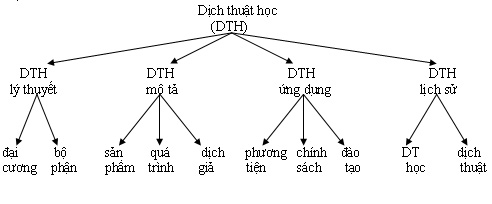
<p align="justify"><strong><span style="font-size: 13pt; color: blue; font-family: &#39;Times New Roman&#39;">&nbsp;&nbsp;&nbsp;&nbsp;&nbsp;&nbsp;&nbsp;&nbsp;&nbsp;&nbsp;&nbsp;&nbsp; Cơ sở ng&ocirc;n ngữ học của nghi&ecirc;n cứu dịch thu&acirc;̣t<br /></span></strong><strong><span style="font-size: 13pt; color: blue; font-family: &#39;Times New Roman&#39;">&nbsp;&nbsp;&nbsp;&nbsp;&nbsp;&nbsp;&nbsp;&nbsp;&nbsp;&nbsp; &nbsp;&nbsp;&nbsp;&nbsp;&nbsp;&nbsp;&nbsp;&nbsp;&nbsp;&nbsp;&nbsp;&nbsp;&nbsp;&nbsp;&nbsp;&nbsp;&nbsp;&nbsp;&nbsp;&nbsp; và b&ocirc;̣ m&ocirc;n Dịch thu&acirc;̣t học (*)<br /></span></strong><span style="font-size: 13pt; font-family: &#39;Times New Roman&#39;"><font color="#000000"><br />&nbsp;</font></span><span style="font-size: 13pt; font-family: &#39;Times New Roman&#39;"><font color="#000000"><span>&nbsp;&nbsp;&nbsp;&nbsp;&nbsp;&nbsp;&nbsp;&nbsp;&nbsp;&nbsp;&nbsp;&nbsp;&nbsp;&nbsp;&nbsp;&nbsp;&nbsp;&nbsp;&nbsp;&nbsp;&nbsp;&nbsp;&nbsp;&nbsp;&nbsp;&nbsp;&nbsp;&nbsp;&nbsp;&nbsp;&nbsp;&nbsp;&nbsp;&nbsp;&nbsp;&nbsp;&nbsp;&nbsp;&nbsp;&nbsp;&nbsp;&nbsp;&nbsp;&nbsp;&nbsp;&nbsp;&nbsp;&nbsp;&nbsp;&nbsp;&nbsp;&nbsp;&nbsp;&nbsp;&nbsp;&nbsp;&nbsp;&nbsp;&nbsp;&nbsp;&nbsp;&nbsp;&nbsp;&nbsp;&nbsp;&nbsp;&nbsp;&nbsp;&nbsp;&nbsp;&nbsp;&nbsp;</span>PGS. TS. Nguy&ecirc;̃n H&ocirc;̀ng C&ocirc;̉n<br /><br /></font></span><span style="font-size: 12pt; font-family: &#39;Times New Roman&#39;"><font color="#000000">&nbsp;&nbsp;&nbsp;&nbsp;&nbsp; Với tư cách là m&ocirc;̣t hoạt đ&ocirc;̣ng ng&ocirc;n ngữ, dịch thu&acirc;̣t từ l&acirc;u đ&atilde; thu hút sự chú ý của nhi&ecirc;̀u nhà nghi&ecirc;n cứu ng&ocirc;n ngữ học. Tuy nhi&ecirc;n, cho đ&ecirc;́n nay xung quanh v&acirc;́n đ&ecirc;̀ nghi&ecirc;n cứu dịch thu&acirc;̣t v&acirc;̃n còn hàng loạt các c&acirc;u hỏi g&acirc;y nhi&ecirc;̀u tranh c&atilde;i: Dịch thu&acirc;̣t có phải là đ&ocirc;́i tượng quan t&acirc;m của ng&ocirc;n ngữ học? Nghi&ecirc;n cứu dịch thu&acirc;̣t có quan h&ecirc;̣ như th&ecirc;́ nào với ng&ocirc;n ngữ học và cơ sở của m&ocirc;́i quan h&ecirc;̣ đó là gì? Có th&ecirc;̉ x&acirc;y dựng m&ocirc;̣t b&ocirc;̣ m&ocirc;n ng&ocirc;n ngữ học nghi&ecirc;n cứu v&ecirc;̀ dịch thu&acirc;̣t hay kh&ocirc;ng? Và n&ecirc;́u có thì t&ecirc;ngọi, đ&ocirc;́i tượng và nhi&ecirc;̣m vụ của b&ocirc;̣ m&ocirc;n ng&ocirc;n ngữ học đó là gì?<span>&nbsp;&nbsp;<br /></span></font></span><span style="font-size: 12pt; font-family: &#39;Times New Roman&#39;"><font color="#000000"><span style="font-size: 12pt; font-family: &#39;Times New Roman&#39;"><font color="#000000">&nbsp;&nbsp;&nbsp;&nbsp;&nbsp; </font></span>Trong bài vi&ecirc;́t này, dựa tr&ecirc;n vi&ecirc;̣c đi&ecirc;̉m lại các quan đi&ecirc;̉m, các thành tựu nghi&ecirc;n cứu v&ecirc;̀ lý thuy&ecirc;́t và thực ti&ecirc;̃n dịch thu&acirc;̣t trong ng&ocirc;n ngữ học, chúng t&ocirc;i sẽ tham gia thảo lu&acirc;̣n đ&ecirc;̉ góp ph&acirc;̀n làm sáng tỏ các v&acirc;́n đ&ecirc;̀ tr&ecirc;n.</font></span><strong><span style="font-size: 12pt; font-family: &#39;Times New Roman&#39;"><font color="#000000">&nbsp;<br /><br /></font></span></strong><strong><span style="font-size: 12pt; font-family: &#39;Times New Roman&#39;"><font color="#000000">1. Cơ sở ng&ocirc;n ngữ học của dịch thu&acirc;̣t và nghi&ecirc;n cứu dịch thu&acirc;̣t<br />&nbsp;&nbsp;&nbsp;&nbsp;&nbsp;&nbsp;</font></span></strong><span style="font-size: 12pt; font-family: &#39;Times New Roman&#39;"><font color="#000000">Lịch sử ng&ocirc;n ngữ học cho th&acirc;́y, mặc dù có li&ecirc;n quan chặt chẽ với ng&ocirc;n ngữ và vi&ecirc;̣c sử dụng ng&ocirc;n ngữ, nhưng cho đ&ecirc;́n nửa đ&acirc;̀u th&ecirc;́ kỷ 20, dịch thu&acirc;̣t với tư cách là hoạt đ&ocirc;̣ng &quot;thay th&ecirc;́ ch&acirc;́t li&ecirc;̣u văn bản của ng&ocirc;n ngữ này bằng ch&acirc;́t li&ecirc;̣u văn bản của ng&ocirc;n ngữ khác&quot; (Catford1965) v&acirc;̃n chưa được giới ng&ocirc;n ngữ học quan t&acirc;m.<span>&nbsp; </span>Trong các c&ocirc;ng trình nghi&ecirc;n cứu của các nhà ng&ocirc;n ngữ học n&ocirc;̉i ti&ecirc;́ng như F. de Saussure, O.Jespersen, E. Sapir, L. Bloomfield, dịch thu&acirc;̣t hoặc &quot;kh&ocirc;ng đuợc nhắc đ&ecirc;́n, hoặc bị coi là c&acirc;u chuy&ecirc;̣n b&ecirc;n l&ecirc;̀&quot; (J. Pienskos 1992). Sở dĩ như v&acirc;̣y là<span>&nbsp; </span>vì ở vào thời kỳ đó đ&ocirc;́i tượng quan t&acirc;m chủ y&ecirc;́u của ng&ocirc;n ngữ học là những v&acirc;́n đ&ecirc;̀ thu&ocirc;̣c v&ecirc;̀ &quot;bản th&ecirc;̉&quot; hay &quot; h&ecirc;̣ th&ocirc;́ng&quot; ng&ocirc;n ngữ; dịch thu&acirc;̣t chỉ là m&ocirc;̣t sự ki&ecirc;̣n của hoạt đ&ocirc;̣ng lời nói n&ecirc;n kh&ocirc;ng phải là đ&ocirc;́i tượng chú ý của các nhà ng&ocirc;n ngữ học. Chỉ từ những năm năm mươi của th&ecirc;́ kỷ 20, các dịch giả cũng như các nhà nghi&ecirc;n cứu dịch thu&acirc;̣t mới bắt đ&acirc;̀u chú ý đ&ecirc;́n những v&acirc;́n đ&ecirc;̀ ng&ocirc;n ngữ học của dịch thu&acirc;̣t và vai trò của ng&ocirc;n ngữ học trong nghi&ecirc;n cứu dịch thu&acirc;̣t, bởi vì họ nh&acirc;̣n th&acirc;́y &rdquo;kh&ocirc;ng th&ecirc;̉ có dịch thu&acirc;̣t n&ecirc;́u kh&ocirc;ng có m&ocirc;̣t n&ecirc;̀n tảng ng&ocirc;n ngữ học vững chắc&quot; (Resker 1950: 156). Hay nói như Fedorov, &quot;dịch thu&acirc;̣t trước h&ecirc;́t và lu&ocirc;n lu&ocirc;n là m&ocirc;̣t thao tác ng&ocirc;n ngữ&quot;, vì v&acirc;̣y &quot;ng&ocirc;n ngữ học phải là m&acirc;̃u s&ocirc;́ chung, là n&ecirc;̀n tng của mọi thao tác dịch &quot; (D&acirc;̃n theo Pienskos, 1992).&nbsp;<br /><strong>&nbsp;&nbsp;&nbsp;&nbsp;&nbsp;&nbsp;</strong></font></span><span style="font-size: 12pt; font-family: &#39;Times New Roman&#39;"><font color="#000000">Từ đó trong lĩnh vực nghi&ecirc;n cứu dịch thu&acirc;̣t xu&acirc;́t hi&ecirc;̣n ngày càng nhi&ecirc;̀u các c&ocirc;ng trình nghi&ecirc;n cứu dịch thu&acirc;̣t theo quan đi&ecirc;̉m ng&ocirc;n ngữ học. Trong các c&ocirc;ng trình này có th&ecirc;̉ bắt gặp các thành tựu và sự ảnh hưởng của nhi&ecirc;̀u khuynh hướng nghi&ecirc;n cứu, nhi&ecirc;̀u trường phái lý thuy&ecirc;́t ng&ocirc;n ngữ học khác nhau: từ chủ nghĩa hình thức Nga (Nabokov 1958, Fedorov 1968) đ&ecirc;́n chức năng lu&acirc;̣n Praha (Jakobson 1959,<span>&nbsp; </span>Levy 1965), từ ng&ocirc;n ngữ học so sánh - đ&ocirc;́i chi&ecirc;́u (Resker 1952, Vinay &amp; Darbelnet 1958), đ&ecirc;́n ng&ocirc;n ngữ học c&acirc;́u trúc (Rezvin &amp;<span>&nbsp; </span>Rozenveig 1963, Catford 1965,), ngữ pháp ci bi&ecirc;́n tạo sinh<span>&nbsp; </span>(Nida 1964, Nida &amp; Taber 1969), lý thuy&ecirc;́t giao ti&ecirc;́p và ngữ dụng hoc (Svejcer 1987, Hatim &amp; Mason 1997,vv). Chính các c&ocirc;ng trình nghi&ecirc;n cứu dịch thu&acirc;̣t theo định hướng ng&ocirc;n ngữ học đó đ&atilde; tạo cơ sở và ti&ecirc;̀n đ&ecirc;̀ lý thuy&ecirc;́t cho sự hình thành b&ocirc;̣ m&ocirc;n Dịch thu&acirc;̣t học và ph&acirc;n m&ocirc;n Lý thuy&ecirc;́t dịch thu&acirc;̣t<span>&nbsp; </span>(chúng t&ocirc;i sẽ đ&ecirc;̀ c&acirc;̣p đ&ecirc;́n ở các mục 2 và 3).<br />&nbsp;&nbsp;&nbsp;&nbsp;&nbsp; </font></span><span style="font-size: 12pt; font-family: &#39;Times New Roman&#39;"><font color="#000000">Ở đ&acirc;y có m&ocirc;̣t v&acirc;́n đ&ecirc;̀ đặt ra là: vi&ecirc;̣c nghi&ecirc;n cứu dịch thu&acirc;̣t có quan h&ecirc;̣ như th&ecirc;́ nào với ng&ocirc;n ngữ học? Đó là m&ocirc;̣t khoa học ri&ecirc;ng bi&ecirc;̣t hay chỉ là b&ocirc;̣ m&ocirc;n của ngành ng&ocirc;n ngữ học? Mặc dù v&acirc;́n đ&ecirc;̀ này kh&ocirc;ng phải bao giờ cũng đuợc trình bày rõ ràng trong các c&ocirc;ng trình nghi&ecirc;n cứu, nhưng qua các tuy&ecirc;n b&ocirc;́ hi&ecirc;̉n ng&ocirc;n cũng như cách giới thuy&ecirc;́t đ&ocirc;́i tượng và phạm vi nghi&ecirc;n cứu, chúng t&ocirc;i th&acirc;́y ít nh&acirc;́t có ba quan đi&ecirc;̉m khác nhau:<span>&nbsp; </span>Ph&acirc;̀n lớn các nhà nghi&ecirc;n cứu coi nghi&ecirc;n cứu dịch thu&acirc;̣t là m&ocirc;̣t b&ocirc;̣ ph&acirc;̣n của ng&ocirc;n ngữ học (Mounin 1963, Nida 1964, Catford 1965) hay r&ocirc;̣ng hơn chút ít là của khoa ký hi&ecirc;̣u học (Jakobson 1966, Ludskanov 1975).<span>&nbsp; </span>M&ocirc;̣t s&ocirc;́ khác (Homes 1970, Toury 1982, Pienkos 1992) cho rằng xét v&ecirc;̀ phạm vi và đ&ocirc;́i tuợng khảo sát, có th&ecirc;̉ coi nghi&ecirc;n cứu dịch thu&acirc;̣t là m&ocirc;̣t khoa học đ&ocirc;̣c l&acirc;̣p, nhưng đ&ocirc;̀ng thời các nhà nghi&ecirc;n cứu này cũng thừa nh&acirc;̣n rằng, n&ecirc;́u so với các khoa học chính danh khác, thì b&ocirc;̣ m&ocirc;n này chưa có được m&ocirc;̣t h&ecirc;̣ phương pháp, m&ocirc;̣t b&ocirc;̣ máy khái ni&ecirc;̣m, th&acirc;̣m chí m&ocirc;̣t đ&ocirc;́i tượng nghi&ecirc;n cứu ri&ecirc;ng.<span>&nbsp; </span>B&ecirc;n cạnh đó cũng có những người (như Refomatsky) hoàn toàn phủ nh&acirc;̣n khả năng có m&ocirc;̣t b&ocirc;̣ m&ocirc;n khoa học đ&ocirc;̣c l&acirc;̣p, th&acirc;̣m chí là m&ocirc;̣t ph&acirc;n m&ocirc;n khoa học nghi&ecirc;n cứu v&ecirc;̀ dịch thu&acirc;̣t, bởi vì theo họ, dịch thu&acirc;̣t có li&ecirc;n quan đ&ecirc;́n nhi&ecirc;̀u lĩnh vực khác nhau (ng&ocirc;n ngữ, t&acirc;m lý, văn hoá, chính trị, vv) n&ecirc;n chỉ có th&ecirc;̉ là m&ocirc;̣t đ&ocirc;́i tượng nghi&ecirc;n cứu li&ecirc;n ngành. Xu&acirc;́t phát từ sự thừa nh&acirc;̣n hoạt đ&ocirc;̣ng dịch thu&acirc;̣t là m&ocirc;̣t hoạt đ&ocirc;̣ng giao ti&ecirc;́p bằng ng&ocirc;n ngữ, chúng t&ocirc;i nghi&ecirc;ng theo quan đi&ecirc;̉m coi nghi&ecirc;n cứu dịch thu&acirc;̣t, hay dịch thu&acirc;̣t học (translation studies), là m&ocirc;̣t b&ocirc;̣ m&ocirc;n thu&ocirc;̣c ngành ng&ocirc;n ngữ học, cụ th&ecirc;̉ hơn thu&ocirc;̣c ph&acirc;n ngành ng&ocirc;n ngữ học ứng dụng. Có nhi&ecirc;̀u lý do đ&ecirc;̉ b&ecirc;nh vực cho sự lựa chọn này, trong đó lý do quan trọng nh&acirc;́t, theo cách nhìn của chúng t&ocirc;i, đó là: hoạt đ&ocirc;̣ng dịch thu&acirc;̣t là m&ocirc;̣t hoạt đ&ocirc;̣ng ng&ocirc;n ngữ. Dưới đ&acirc;y chúng t&ocirc;i sẽ đi s&acirc;u ph&acirc;n tích làm rõ th&ecirc;m nh&acirc;̣n định này. </font></span><span style="font-size: 12pt; font-family: &#39;Times New Roman&#39;"><font color="#000000"><br />&nbsp; &nbsp;&nbsp;&nbsp;&nbsp; Hoạt đ&ocirc;̣ng dịch thu&acirc;̣t là m&ocirc;̣t hoạt đ&ocirc;̣ng ng&ocirc;n ngữ. Tính ch&acirc;́t ng&ocirc;n ngữ học của hoạt đ&ocirc;̣ng dịch thu&acirc;̣t bi&ecirc;̉u hi&ecirc;̣n truớc h&ecirc;́t ở phương ti&ecirc;̣n của nó là ng&ocirc;n ngữ - ng&ocirc;n ngữ đúng nghĩa là m&ocirc;̣t h&ecirc;̣ th&ocirc;́ng, đ&ocirc;́i tượng nghi&ecirc;n cứu chủ y&ecirc;́u của ng&ocirc;n ngữ học theo quan ni&ecirc;̣m của F, de Saussure. Trong khi dịch m&ocirc;̣t văn bản (hay di&ecirc;̃n ng&ocirc;n) từ m&ocirc;̣t ngữ này (ngữ ngu&ocirc;̀n) sang m&ocirc;̣t ngữ khác (ngữ đích), dịch giả<span>&nbsp; </span>kh&ocirc;ng phải chỉ làm vi&ecirc;̣c với m&ocirc;̣t mà là<span>&nbsp; </span>hai ng&ocirc;n ngữ với toàn b&ocirc;̣ các thu&ocirc;̣c tính h&ecirc;̣ th&ocirc;́ng, c&acirc;́u trúc phức tạp và khác bi&ecirc;̣t của ch&uacute;ng: các quy tắc ngữ pháp chu&acirc;̉n mực cùng các bi&ecirc;́n th&ecirc;̉ ngữ pháp, v&ocirc;́n từ ngữ với toàn b&ocirc;̣ các bi&ecirc;́n th&ecirc;̉ từ vựng, ngữ nghĩa hay phong cách của chúng, vv. N&ecirc;́u như vi&ecirc;̣c nắm vững các đặc đi&ecirc;̉m h&ecirc;̣ th&ocirc;́ng, c&acirc;́u trúc của ngữ ngu&ocirc;̀n là c&acirc;̀n thi&ecirc;́t đ&ecirc;̉ dịch giả ph&acirc;n tích, giải m&atilde; đúng văn bản ngu&ocirc;̀n (VBN), thì những hi&ecirc;̉u bi&ecirc;́t v&ecirc;̀ đặc tính h&ecirc;̣ th&ocirc;́ng, c&acirc;́u trúc của ngữ đích lại quan trọng đ&ocirc;́i với quá trình sản sinh văn bản đích (VBĐ) ở hình thức tự nhi&ecirc;n nh&acirc;́t của nó. Vì v&acirc;̣y, n&ecirc;́u coi đ&ocirc;́i tượng của ng&ocirc;n ngữ học là h&ecirc;̣ th&ocirc;́ng ng&ocirc;n ngữ với toàn b&ocirc;̣ những thu&ocirc;̣c tính c&acirc;́u trúc n&ocirc;̣i tại của nó, thì cái đ&ocirc;́i tượng &acirc;́y cũng kh&ocirc;ng phải là cái gì xa lạ với hoạt đ&ocirc;̣ng dịch thu&acirc;̣t và bản th&acirc;n dịch giả.<br /></font></span><span style="font-size: 12pt; font-family: &#39;Times New Roman&#39;"><font color="#000000"><span>&nbsp;&nbsp;&nbsp;&nbsp;&nbsp;&nbsp; </span>Tuy nhi&ecirc;n, tính ch&acirc;́t ng&ocirc;n ngữ học của hoạt đ&ocirc;̣ng dịch thu&acirc;̣t kh&ocirc;ng chỉ bị giới hạn ở các h&ecirc;̣ th&ocirc;́ng ng&ocirc;n ngữ mà nó đ&ocirc;̣ng chạm đ&ecirc;́n. Quan ni&ecirc;̣m cho rằng đ&ocirc;́i tượng nghi&ecirc;n cứu của ng&ocirc;n ngữ học là ng&ocirc;n ngữ với tư cách là m&ocirc;̣t h&ecirc;̣ th&ocirc;́ng từ l&acirc;u đ&atilde; trở thành c&acirc;u chuy&ecirc;̣n của quá khứ. Ng&ocirc;n ngữ học h&acirc;̣u c&acirc;́u trúc kh&ocirc;ng chỉ quan t&acirc;m đ&ecirc;́n ng&ocirc;n ngữ như m&ocirc;̣t m&ocirc;̣t h&ecirc;̣ th&ocirc;́ng mà cả ng&ocirc;n ngữ ở dạng hoạt đ&ocirc;̣ng là lời nói và hoạt đ&ocirc;̣ng lời nói, những hi&ecirc;̣n tượng đ&atilde; bị<span>&nbsp; </span>Saussure gạt ra ngoài phạm vi xem xét của ng&ocirc;n ngữ học. Dưới góc nhìn mới đó của ng&ocirc;n ngữ học hi&ecirc;̣n đại, bản th&acirc;n hoạt đ&ocirc;̣ng dịch thu&acirc;̣t với tư cách là m&ocirc;̣t hoạt đ&ocirc;̣ng ng&ocirc;n ngữ hoàn toàn có th&ecirc;̉ trở thành đ&ocirc;́i tượng xem xét của ng&ocirc;n ngữ học xét cả ở hai thành t&ocirc;́ n&ocirc;̣i tại của nó: quá trình dịch thu&acirc;̣t và sản ph&acirc;̉m dịch thu&acirc;̣t. Ở quá trình dịch thu&acirc;̣t, các khía cạnh ng&ocirc;n ngữ học của hoạt đ&ocirc;̣ng dịch thu&acirc;̣t bi&ecirc;̉u hi&ecirc;̣n qua các quá trình ph&acirc;n tích giải m&atilde; các đơn vị ng&ocirc;n ngữ của VBN, quá trình đ&ocirc;́i chi&ecirc;́u đ&ecirc;̉ lựa chọn và xác l&acirc;̣p các tương đương v&ecirc;̀ n&ocirc;̣i dung và hình thức giữa ngữ ngu&ocirc;̀n và ngữ đích cũng như quá trình tái l&acirc;̣p, thay th&ecirc;́ VBN<span>&nbsp; </span>bằng m&ocirc;̣t VBĐ tự nhi&ecirc;n nh&acirc;́t nhưng cũng g&acirc;̀n gũi nh&acirc;́t với nó v&ecirc;̀ mặt n&ocirc;̣i dung và phong cách. Ở sản ph&acirc;̉m dịch thu&acirc;̣t, các khía cạnh ng&ocirc;n ngữ học của hoạt đ&ocirc;̣ng dịch thu&acirc;̣t th&ecirc;̉ hi&ecirc;̣n qua VBĐ cũng như các m&ocirc;́i quan h&ecirc;̣ tương đương của nó với VBN tr&ecirc;n các bình di&ecirc;̣n hình thức, n&ocirc;̣i dung và phong cách di&ecirc;̃n ng&ocirc;n. Vi&ecirc;̣c nghi&ecirc;n cứu các khía cạnh ng&ocirc;n ngữ học hữu quan của quá trình dịch thu&acirc;̣t và sản ph&acirc;̉m dịch thu&acirc;̣t như v&acirc;̣y kh&ocirc;ng chỉ góp ph&acirc;̀n làm sáng tỏ th&ecirc;m bản ch&acirc;́t của hoạt đ&ocirc;̣ng dịch thu&acirc;̣t mà còn góp ph&acirc;̀n làm sáng tỏ th&ecirc;m bản ch&acirc;́t của lời nói và hoạt đ&ocirc;̣ng lời nói, những hi&ecirc;̣n tượng ng&ocirc;n ngữ bị l&atilde;ng qu&ecirc;n trong các c&ocirc;ng trình ng&ocirc;n ngữ học theo quan đi&ecirc;̉m c&acirc;́u trúc lu&acirc;̣n thu&acirc;̀n tuý.<br />&nbsp;&nbsp;&nbsp;&nbsp;&nbsp;&nbsp;&nbsp; </font></span><span style="font-size: 12pt; font-family: &#39;Times New Roman&#39;"><font color="#000000">Những ph&acirc;n tích tr&ecirc;n đ&acirc;y cho th&acirc;́y, dù xét trong m&ocirc;́i quan h&ecirc;̣ với ng&ocirc;n ngữ như là m&ocirc;̣t h&ecirc;̣ th&ocirc;́ng c&acirc;́u trúc hay ng&ocirc;n ngữ đang hành chức trong hoạt đ&ocirc;̣ng nói với sản ph&acirc;̉m cụ th&ecirc;̉ là lời nói thì dịch thu&acirc;̣t, với t&acirc;́t cả các khía cạnh ng&ocirc;n ngữ học của nó v&acirc;̃n là m&ocirc;̣t v&acirc;́n đ&ecirc;̀ của ng&ocirc;n ngữ học, xứng đáng thu hút sự chú ý của ng&ocirc;n ngữ học, và trong m&ocirc;́i quan h&ecirc;̣ với dịch thu&acirc;̣t cũng như nghi&ecirc;n cứu dịch thu&acirc;̣t, ng&ocirc;n ngữ học xứng đáng đóng vai trò là m&ocirc;̣t khoa học lý thuy&ecirc;́t có nhi&ecirc;̣m vụ soi sáng hay d&acirc;̃n đường, như thực ti&ecirc;̃n nghi&ecirc;n cứu dịch thu&acirc;̣t trong th&ecirc;́ kỷ 20 đ&atilde; chỉ ra. Từ cách nhìn đó, chúng t&ocirc;i tán thành quan đi&ecirc;̉m cho rằng c&acirc;̀n phải coi nghi&ecirc;n cứu dịch thu&acirc;̣t hay dịch thu&acirc;̣t học là m&ocirc;̣t b&ocirc;̣ m&ocirc;n của ngành ng&ocirc;n ngữ học, thu&ocirc;̣c ph&acirc;n ngành ng&ocirc;n ngữ học ứng dụng.<span>&nbsp; </span></font></span><span style="font-size: 12pt; font-family: &#39;Times New Roman&#39;"><font color="#000000"><br />&nbsp;&nbsp;&nbsp;&nbsp;&nbsp;&nbsp;&nbsp; Tuy nhi&ecirc;n, với tư cách là m&ocirc;̣t hoạt đ&ocirc;̣ng giao ti&ecirc;́p, b&ecirc;n cạnh các nh&acirc;n t&ocirc;́ ng&ocirc;n ngữ, hoạt đ&ocirc;̣ng dịch thu&acirc;̣t còn chịu ảnh huởng của nhi&ecirc;̀u nh&acirc;n t&ocirc;́ giao ti&ecirc;́p ngoài ng&ocirc;n ngữ. Vì v&acirc;̣y, cùng với vi&ecirc;̣c chú ý đ&ecirc;́n những v&acirc;́n đ&ecirc;̀ ng&ocirc;n ngữ, các nhà nghi&ecirc;n cứu dịch thu&acirc;̣t cũng phải quan t&acirc;m đ&ecirc;́n các v&acirc;́n đ&ecirc;̀ li&ecirc;n quan đ&ecirc;́n người nói và người ti&ecirc;́p nh&acirc;̣n,<span>&nbsp; </span>văn bản,<span>&nbsp; </span>m&ocirc;i trường x&atilde; h&ocirc;̣i, văn hoá, tín nguỡng - đ&ocirc;́i tượng của các b&ocirc;̣ m&ocirc;n khoa học khác như t&acirc;m lý học, ngữ văn học, d&acirc;n t&ocirc;̣c học, x&atilde; h&ocirc;̣i học.... Đi&ecirc;̀u đó có nghĩa dịch thu&acirc;̣t học với tư cách là m&ocirc;̣t b&ocirc;̣ m&ocirc;n ng&ocirc;n ngữ học nghi&ecirc;n cứu v&ecirc;̀ dịch thu&acirc;̣t kh&ocirc;ng kh&ocirc;ng chỉ thừa hưởng và v&acirc;̣n dụng các k&ecirc;́t quả nghi&ecirc;n cứu của ri&ecirc;ng ng&ocirc;n ngữ học mà cả của nhi&ecirc;̀u b&ocirc;̣ m&ocirc;n khoa học khác như t&acirc;m lý học, ngữ văn học, d&acirc;n t&ocirc;̣c học, x&atilde; h&ocirc;̣i học... mặc dù trong đó ng&ocirc;n ngữ học v&acirc;̃n đóng vai trò n&ecirc;̀n tảng.</font></span><strong><span style="font-size: 12pt; font-family: &#39;Times New Roman&#39;"><font color="#000000">&nbsp;<br /><br /></font></span></strong><strong><span style="font-size: 12pt; font-family: &#39;Times New Roman&#39;"><font color="#000000">2. Dịch thu&acirc;̣t học - b&ocirc;̣ m&ocirc;n ng&ocirc;n ngữ học nghi&ecirc;n cứu v&ecirc;̀ dịch thu&acirc;̣t<br /></font></span></strong><span style="font-size: 12pt; font-family: &#39;Times New Roman&#39;"><font color="#000000"><span>&nbsp;&nbsp;&nbsp;&nbsp;&nbsp;&nbsp;&nbsp; </span>Những điều n&oacute;i tr&ecirc;n cho th&acirc;́y nghi&ecirc;n cứu dịch thu&acirc;̣t hay dịch thu&acirc;̣t học xứng đáng được coi là m&ocirc;̣t b&ocirc;̣ m&ocirc;n ng&ocirc;n ngữ học đ&ocirc;̣c l&acirc;̣p, thu&ocirc;̣c ph&acirc;n ngành ng&ocirc;n ngữ học ứng dụng. Tuy nhi&ecirc;n, cho đ&ecirc;́n nay nhi&ecirc;̀u v&acirc;́n đ&ecirc;̀ của b&ocirc;̣ m&ocirc;n này này v&acirc;̃n đang được c&aacute;c nhà nghi&ecirc;n cứu thảo luận, b&agrave;n c&atilde;i, trong đó có ba v&acirc;́n đ&ecirc;̀ quan trọng mà chúng t&ocirc;i sẽ đ&ecirc;̀ c&acirc;̣p dưới đ&acirc;y: t&ecirc;n gọi, đ&ocirc;́i tượng nghi&ecirc;n cứu và cơ c&acirc;́u các ph&acirc;n m&ocirc;n.<br />&nbsp;&nbsp;&nbsp;&nbsp;&nbsp;&nbsp;&nbsp; </font></span><span style="font-size: 12pt; font-family: &#39;Times New Roman&#39;"><font color="#000000">Trước h&ecirc;́t nói đ&ecirc;́n v&acirc;́n đ&ecirc;̀ t&ecirc;n gọi.<span>&nbsp; </span>Trong các c&ocirc;ng trình nghi&ecirc;n cứu v&ecirc;̀ dịch thu&acirc;̣t hi&ecirc;̣n nay, chúng ta thường gặp ba thu&acirc;̣t ngữ khác nhau được dùng đ&ecirc;̉ chỉ b&ocirc;̣ m&ocirc;n nghi&ecirc;n cứu v&ecirc;̀ dịch thu&acirc;̣t là<em>: lý thuy&ecirc;́t dịch thu&acirc;̣t (</em>theory of translation/translating, translation theory), khoa học dịch thu&acirc;̣t (sience of translation/translating), và <em>nghi&ecirc;n cứu dịch thu&acirc;̣t</em> hay <em>dịch thu&acirc;̣t họ</em>c (translation/translating studies). Trong s&ocirc;́ các thu&acirc;̣t ngữ đó, lý thuy&ecirc;́t dịch thu&acirc;̣t có lẽ là thu&acirc;̣t ngữ đuợc dùng ph&ocirc;̉ bi&ecirc;́n nh&acirc;́t trong các c&ocirc;ng trình nghi&ecirc;n cứu v&ecirc;̀ dịch thu&acirc;̣t bằng ti&ecirc;́ng Anh (Nida 1964, Catford 1965, Steiner 1975, Bell 1986, 1991) và ti&ecirc;́ng Nga (Resker 1974, Komisarov 1980, Phedorov 1983, Svejcer 1988 ). Nhưng theo Homes, ý nghĩa của thu&acirc;̣t ngữ này kh&ocirc;ng bao quát h&ecirc;́t được toàn b&ocirc;̣ nhi&ecirc;̣m vụ và mục đích của b&ocirc;̣ m&ocirc;n nghi&ecirc;n cứu dịch thu&acirc;̣t, bởi vì trong thực t&ecirc;́ nhi&ecirc;̀u c&ocirc;ng trình nghi&ecirc;n cứu v&ecirc;̀ dịch thu&acirc;̣t kh&ocirc;ng giới hạn phạm vi khảo sát của nó ở các v&acirc;́n đ&ecirc;̀ lý thuy&ecirc;́t (Homes 1972:). Thu&acirc;̣t ngữ thứ hai, khoa học dịch thu&acirc;̣t, l&acirc;̀n đ&acirc;̀u ti&ecirc;n đựợc E. Nida dùng đ&ecirc;̉ đặt t&ecirc;n cho cu&ocirc;́n c&acirc;̉m nang lý thuy&ecirc;́t Hướng đ&ecirc;́n m&ocirc;̣t khoa học v&ecirc;̀ dịch thu&acirc;̣t (Towards a Sience of Translating) của &ocirc;ng vào năm 1964. Mặc dù thu&acirc;̣t ngữ này kh&ocirc;ng đuợc Nida sử dụng đ&ecirc;̉ định danh toàn b&ocirc;̣ lĩnh vực nghi&ecirc;n cứu dịch thu&acirc;̣t (mà chỉ giới hạn ở các nguy&ecirc;n tắc và thủ pháp của quá trình dịch thu&acirc;̣t) nhưng sau đó được m&ocirc;̣t s&ocirc;́ tác giả, chủ y&ecirc;́u là người Đức (K. R. Bausch et al. 1970 &ndash;72, Wills 1982) dùng đ&ecirc;̉ gọi t&ecirc;n b&ocirc;̣ m&ocirc;n nghi&ecirc;n cứu v&ecirc;̀ dịch thu&acirc;̣t. Tuy nhi&ecirc;n, từ<span>&nbsp; </span><em>khoa học</em> (science) trong thu&acirc;̣t ngữ này khi&ecirc;́n nhi&ecirc;̀u người ph&acirc;n v&acirc;n, bởi vì mặc dù có đ&ocirc;́i tuợng và nhi&ecirc;̣m vụ nghi&ecirc;n cứu ri&ecirc;ng của nó, nhưng xét v&ecirc;̀ tính h&ecirc;̣ th&ocirc;́ng, phưng pháp nghi&ecirc;n cứu, b&ocirc;̣ máy khái ni&ecirc;̣m và tính chính xác, b&ocirc;̣ m&ocirc;n nghi&ecirc;n cứu dịch thu&acirc;̣t còn xa mới đáp ứng đ&acirc;̀y đủ các ti&ecirc;u chí của m&ocirc;̣t m&ocirc;n khoa học đ&ocirc;̣c l&acirc;̣p như toán học, v&acirc;̣t lý học hay hoá học... th&acirc;̣m chí chưa th&ecirc;̉ sánh được với các b&ocirc;̣ m&ocirc;n khoa học nh&acirc;n văn như ng&ocirc;n ngữ học, d&acirc;n t&ocirc;̣c học, x&atilde; h&ocirc;̣i học.<span>&nbsp; </span>Chính vì v&acirc;̣y, Homes (1972) và sau đó là nhi&ecirc;̀u tác gi khác (Lefevere 1978, Toury 1982) đ&atilde; nghi&ecirc;ng theo hướng chọn thu&acirc;̣t ngữ <em>nghi&ecirc;n cứu dịch thu&acirc;̣t</em> hay <em>dịch thu&acirc;̣t học</em> đ&ecirc;̉ chỉ khoa nghi&ecirc;n cứu v&ecirc;̀ dịch thu&acirc;̣t. Tán đ&ocirc;̀ng quan đi&ecirc;̉m của Homes, trong c&ocirc;ng trình này chúng t&ocirc;i dùng thu&acirc;̣t ngữ <em>dịch thu&acirc;̣t học</em> (DTH) đ&ecirc;̀ chỉ b&ocirc;̣ m&ocirc;n khoa học nghi&ecirc;n cứu v&ecirc;̀ toàn b&ocirc;̣ hoạt đ&ocirc;̣ng dịch thu&acirc;̣t nói chung và ph&acirc;n bi&ecirc;̣t DTH với <em>lý thuy&ecirc;́t dịch thu&acirc;̣t</em> - m&ocirc;̣t ph&acirc;n m&ocirc;n nghi&ecirc;n cứu các v&acirc;́n đ&ecirc;̀ lý thuy&ecirc;́t trong dịch thu&acirc;̣t (xem mục 3).&nbsp;<br /></font></span><font color="#000000"><span style="font-size: 12pt; font-family: &#39;Times New Roman&#39;"><span>&nbsp;&nbsp;&nbsp;&nbsp;&nbsp;&nbsp;&nbsp; </span>V&ecirc;̀ đ&ocirc;́i tượng nghi&ecirc;n cứu của DTH, trong các tài li&ecirc;̣u nghi&ecirc;n cứu v&ecirc;̀ dịch thu&acirc;̣t hi&ecirc;̣n nay ít nh&acirc;́t có ba quan ni&ecirc;̣m khác nhau v&ecirc;̀ v&acirc;́n đ&ecirc;̀ này. Quan ni&ecirc;̣m thứ nh&acirc;́t cho rằng đ&ocirc;́i tuợng nghi&ecirc;n cứu của DTH là sản ph&acirc;̉m dịch thu&acirc;̣t, tức là VBĐ nói chung.<span>&nbsp; </span>Đ&acirc;y là quan đi&ecirc;̉m v&ecirc;̀ đ&ocirc;́i tượng nghi&ecirc;n cứu của DTH xu&acirc;́t hi&ecirc;̣n sớm nh&acirc;́t, được hình thành m&ocirc;̣t cách tự nhi&ecirc;n khi dịch giả hay nhà nghi&ecirc;n cứu ti&ecirc;́n hành so sánh, đ&ocirc;́i chi&ecirc;́u giữa VBĐ và VBN, và chịu nh hưởng của b&ocirc;̣ m&ocirc;n ng&ocirc;n ngữ học đ&ocirc;́i chi&ecirc;́u. Th&ocirc;ng qua vi&ecirc;̣c so sánh đ&ocirc;́i chi&ecirc;́u (m&ocirc;̣t hay nhi&ecirc;̀u) VBĐ với VBN, dịch giả hay nhà nghi&ecirc;n cứu sẽ chỉ ra mức đ&ocirc;̣ trung thành hay sáng tạo của bản dịch so với nguy&ecirc;n bản, xác l&acirc;̣p các tư</span><span style="font-size: 12pt; font-family: &#39;Times New Roman&#39;">ơ</span><span style="font-size: 12pt; font-family: &#39;Times New Roman&#39;">ng đương có th&ecirc;̉ có giữa hai văn bản kh&ocirc;ng chỉ v&ecirc;̀ mặt hình thức<span>&nbsp; </span>mà cả v&ecirc;̀ mặt n&ocirc;̣i dung hay phong cách. Với quan đi&ecirc;̉m này, DTH được đ&ocirc;̀ng nh&acirc;́t với ng&ocirc;n ngữ học so sánh đ&ocirc;́i chi&ecirc;́u, th&acirc;̣m chí<span>&nbsp; </span>hẹp hơn, với từ vựng học so sánh đ&ocirc;́i chi&ecirc;́u hoặc ng&ocirc;n ngữ học văn bản đ&ocirc;́i chi&ecirc;́u. Theo Bakhudarov thì &quot;lý thuy&ecirc;́t ng&ocirc;n ngữ học v&ecirc;̀ dịch thu&acirc;̣t kh&ocirc;ng phi là cái gì khác mà chính là ng&ocirc;n ngữ học văn bản đ&ocirc;́i chi&ecirc;́u&quot; và nhi&ecirc;̣m vụ của vi&ecirc;̣c nghi&ecirc;n cứu dịch thu&acirc;̣t là &quot;nghi&ecirc;n cứu đ&ocirc;́i chi&ecirc;́u ngữ nghĩa các văn bản tương đương trong các ng&ocirc;n ngữ khác nhau&quot; (1975: 28).<br />&nbsp;&nbsp;&nbsp;&nbsp;&nbsp;&nbsp;&nbsp;&nbsp;</span></font><span style="font-size: 12pt; font-family: &#39;Times New Roman&#39;"><font color="#000000">Từ giữa những năm 60, dưới ảnh hưởng của lý thuy&ecirc;́t tín hi&ecirc;̣u học và lý thuy&ecirc;́t th&ocirc;ng tin, nhi&ecirc;̀u nhà nghi&ecirc;n cứu dịch thu&acirc;̣t bắt đ&acirc;̀u nghi&ecirc;ng theo quan đi&ecirc;̉m cho rằng đ&ocirc;́i tượng nghi&ecirc;n cứu của DTH kh&ocirc;ng phải là sản ph&acirc;̉m dịch (VBĐ) mà chính là quá trình dịch thu&acirc;̣t. Theo Rezvin và Rozensveig (1963), vi&ecirc;̣c đưa cả sản ph&acirc;̉m dịch thuật vào đ&ocirc;́i tượng nghi&ecirc;n cứu của dịch thu&acirc;̣t học là kh&ocirc;ng hợp lý bởi vì nhi&ecirc;̣m vụ chính của vi&ecirc;̣c nghi&ecirc;n cứu dịch thu&acirc;̣t là phải &quot;c&ocirc;́ gắng mi&ecirc;u tả dịch thu&acirc;̣t như m&ocirc;̣t quá trình&quot; chứ kh&ocirc;ng phải là &quot;kho sát các k&ecirc;́t quả của hoạt đ&ocirc;̣ng dịch thu&acirc;̣t và đưa ra các ti&ecirc;u chí đánh giá v&ecirc;̀ nó&quot;. Hai tác giả cho rằng c&acirc;̀n phải ph&acirc;n bi&ecirc;̣t quá trình dịch thu&acirc;̣t với sản ph&acirc;̉m dịch và khoa học v&ecirc;̀ dịch thu&acirc;̣t c&acirc;̀n chuy&ecirc;̉n sự chú ý từ sản ph&acirc;̉m dịch (đ&ocirc;́i chi&ecirc;́u VBĐ với VBN) sang quá trình dịch với tư cách là quá trình &quot;chuy&ecirc;̉n dịch m&ocirc;̣t th&ocirc;ng đi&ecirc;̣p từ h&ecirc;̣ th&ocirc;́ng tín hi&ecirc;̣u này sang h&ecirc;̣ th&ocirc;́ng tín hi&ecirc;̣u khác&quot;. M&ocirc;̣t quan ni&ecirc;̣m tương tự v&ecirc;̀ đ&ocirc;́i tượng nghi&ecirc;n cứu DTH cũng có th&ecirc;̉ th&acirc;́y ở tác ph&acirc;̉m &quot;A Linguistic Theory of Translation&quot; của Catford (1965), m&ocirc;̣t c&ocirc;ng trình nghi&ecirc;n cứu dịch thu&acirc;̣t đuợc x&acirc;y dựng tr&ecirc;n cơ sở lý thuy&ecirc;́t ng&ocirc;n ngữ học c&acirc;́u trúc.<span>&nbsp; </span>Quan ni&ecirc;̣m mu&ocirc;́n giới hạn phạm vi khảo sát của DTH ở quá trình dịch thu&acirc;̣t như v&acirc;̣y đ&atilde; thu hẹp đ&ocirc;́i tượng và mục đích nghi&ecirc;n cứu của b&ocirc;̣ m&ocirc;n<span>&nbsp; </span>DTH và kh&ocirc;ng phản ánh h&ecirc;́t tính đa dạng của các c&ocirc;ng trình nghi&ecirc;n cứu v&ecirc;̀ dịch thu&acirc;̣t trong thực t&ecirc;́.<br /></font></span><span style="font-size: 12pt; font-family: &#39;Times New Roman&#39;"><font color="#000000"><span>&nbsp;&nbsp;&nbsp;&nbsp;&nbsp;&nbsp; </span>Trái ngược với hai quan đi&ecirc;̉m tr&ecirc;n đ&acirc;y, nhi&ecirc;̀u nhà nghi&ecirc;n cứu dịch thu&acirc;̣t từ quan đi&ecirc;̉m giao ti&ecirc;́p (Nida &amp; Taber 1969, Werner Koller 1971,<span>&nbsp; </span>Homes 1972,<span>&nbsp; </span>Svejcer 1988, Hatim<span>&nbsp; </span>&amp; Mason 1990) cho rằng kh&ocirc;ng th&ecirc;̉ tách rời sản ph&acirc;̉m dịch thu&acirc;̣t khỏi quá trình dịch thu&acirc;̣t, và kh&ocirc;ng n&ecirc;n đ&ocirc;́i l&acirc;̣p tri&ecirc;̣t đ&ecirc;̉ giữa hai cách ti&ecirc;́p c&acirc;̣n hướng sản ph&acirc;̉m (product- oriented studies) và hướng quá trình (process-oriented<span>&nbsp; </span>studies) như v&acirc;̣y. Theo họ, đó chỉ là h&ecirc;̣ quả của những cách chia cắt thực t&ecirc;́ cực đoan chịu ảnh hưởng của quan đi&ecirc;̉m c&acirc;́u trúc luận, đ&ocirc;́i l&acirc;̣p sản ph&acirc;̉m của m&ocirc;̣t hoạt đ&ocirc;̣ng với quá trình của hoạt đ&ocirc;̣ng. Dịch thu&acirc;̣t là m&ocirc;̣t hoạt đ&ocirc;̣ng giao ti&ecirc;́p bằng ng&ocirc;n ngữ, và cũng như b&acirc;́t kỳ m&ocirc;̣t hoạt đ&ocirc;̣ng giao ti&ecirc;́p nào khác nó bao hàm các quá trình tạo l&acirc;̣p và ti&ecirc;́p nh&acirc;̣n, trong đó di&ecirc;̃n ng&ocirc;n (văn bản hay lời nói) vừa là sản ph&acirc;̉m vừa là phương ti&ecirc;̣n của quá trình giao ti&ecirc;́p.<span>&nbsp; </span>Và n&ecirc;́u chúng ta coi dịch thu&acirc;̣t như là m&ocirc;̣t hoạt đ&ocirc;̣ng trong đó có sự th&ocirc;́ng nh&acirc;́t hữu cơ giữa quá trình dịch thu&acirc;̣t và sản ph&acirc;̉m dịch thu&acirc;̣t thì vi&ecirc;̣c loại các k&ecirc;́t quả của quá trình dịch ra khỏi di&ecirc;̣n xem xét sẽ làm hẹp đi m&ocirc;̣t cách v&ocirc; lý đ&ocirc;́i tượng nghi&ecirc;n cứu của DTH và cũng chẳng giúp ích gì cho vi&ecirc;̣c phát hi&ecirc;̣n ra bản ch&acirc;́t của hoạt đ&ocirc;̣ng dịch thu&acirc;̣t, cũng gi&ocirc;́ng như vi&ecirc;̣c loại quá trình dịch thu&acirc;̣t ra khỏi di&ecirc;̣n khảo sát. Khó có th&ecirc;̉ hi&ecirc;̉u đuợc bản ch&acirc;́t của hoạt đ&ocirc;̣ng dịch thu&acirc;̣t n&ecirc;́u chúng ta kh&ocirc;ng khảosát hoạt đ&ocirc;̣ng này như là sự th&ocirc;́ng nh&acirc;́t của quá trình và sản ph&acirc;̉m. Nói cách khác, khó có th&ecirc;̉ x&acirc;y dựng m&ocirc;̣t b&ocirc;̣ m&ocirc;n khoa học v&ecirc;̀ dịch thu&acirc;̣t chỉ dựa tr&ecirc;n quá trình dịch mà kh&ocirc;ng tính đ&ecirc;́n sản ph&acirc;̉m dịch thu&acirc;̣t hay ngược lại chỉ dựa vào sản ph&acirc;̉m dịch thu&acirc;̣t mà kh&ocirc;ng tính đ&ecirc;́n quá trình dịch. W. Koller đ&atilde; có lý khi cho rằng: &quot;DTH phải đuợc hi&ecirc;̉u như là toàn b&ocirc;̣ các hoạt đ&ocirc;̣ng nghi&ecirc;n cứu l&acirc;́y quá trình dịch thu&acirc;̣t và bản dịch làm đ&ocirc;́i tượng hay ti&ecirc;u đi&ecirc;̉m chú ý của chúng&quot; (D&acirc;̃n theo Homes 1972:<span>&nbsp; </span>176).<span>&nbsp; </span>Đúng như ý ki&ecirc;́n của Koller, n&ocirc;̣i dung của các c&ocirc;ng trình nghi&ecirc;n cứu v&ecirc;̀ dịch thu&acirc;̣t hiện nay cho th&acirc;́y DTH quan t&acirc;m đ&ecirc;́n toàn b&ocirc;̣ hoạt đ&ocirc;̣ng dịch thu&acirc;̣t nói chung, bao g&ocirc;̀m trong đó kh&ocirc;ng chỉ là quá trình dịch thu&acirc;̣t và sản ph&acirc;̉m dịch thu&acirc;̣t mà cả các nh&acirc;n t&ocirc;́ li&ecirc;n quan đ&ecirc;́n hoạt đ&ocirc;̣ng dịch thu&acirc;̣t như hoàn cảnh (hoàn cảnh giao ti&ecirc;́p và b&ocirc;́i cảnh văn hoá x&atilde; h&ocirc;̣i), người tham gia (tác giả, dịch giả và<span>&nbsp; </span>người ti&ecirc;́p nh&acirc;̣n), ng&ocirc;n ngữ (ngữ ngu&ocirc;̀n và ngữ đích), văn hoá (văn hoá ngu&ocirc;̀n và văn hoá đích), vv. Tính phức tạp của đ&ocirc;́i tượng nghi&ecirc;n cứu cũng với sự khác bi&ecirc;̣t v&ecirc;̀ cơ sở lý thuy&ecirc;́t, mục đích, phương pháp và tư li&ecirc;̣u nghi&ecirc;n cứu đ&atilde; làm cho các c&ocirc;ng trình nghi&ecirc;n cứu dịch thu&acirc;̣t hi&ecirc;̣n đại phát tri&ecirc;̉n ngày càng phong phú và đa dạng, theo nhi&ecirc;̀u hướng khác nhau, tr&ecirc;n cơ sở đó đ&atilde; hình thành các ph&acirc;n m&ocirc;n dịch thu&acirc;̣t học khác nhau.<br /></font></span><span style="font-size: 12pt; font-family: &#39;Times New Roman&#39;"><font color="#000000"><span>&nbsp;&nbsp;&nbsp;&nbsp;&nbsp;&nbsp;&nbsp; </span>V&acirc;̣y, DTH với tư cách là m&ocirc;̣t b&ocirc;̣ m&ocirc;n ng&ocirc;n ngữ học ứng dụng bao g&ocirc;̀m những ph&acirc;n m&ocirc;n nào? Dựa theo ý ki&ecirc;́n của m&ocirc;̣t s&ocirc;́ tác giả (Homes 1972, Toury 1991), căn cứ vào sự khác bi&ecirc;̣t v&ecirc;̀ mục đích, phạm vi và nhi&ecirc;̣m vụ nghi&ecirc;n cứu, chúng t&ocirc;i th&acirc;́y có th&ecirc;̉ ph&acirc;n chia DTH thành b&ocirc;́n ph&acirc;n m&ocirc;n chính là: DTH m&ocirc; tả, DTH lý thuy&ecirc;́t (lý thuy&ecirc;́t dịch thu&acirc;̣t) , DTH ứng dụng và DTH lịch sử.<span>&nbsp; </span>Mục đích, phạm vi và nhi&ecirc;̣m vụ nghi&ecirc;n cứu của b&ocirc;́n<span>&nbsp; </span>ph&acirc;n m&ocirc;n này như sau:<br /></font></span><span style="font-size: 12pt; font-family: &#39;Times New Roman&#39;"><font color="#000000"><span>&nbsp;</span><span>&nbsp;&nbsp;&nbsp;&nbsp;&nbsp;&nbsp;&nbsp;&nbsp;&nbsp;&nbsp; </span>DTH m&ocirc; tả (Descriptive Tranlation Studies - DTS) là ph&acirc;n m&ocirc;n xu&acirc;́t hi&ecirc;̣n sớm nh&acirc;́t trong lịch sử nghi&ecirc;n cứu dịch thu&acirc;̣t và hi&ecirc;̣n nay v&acirc;̃n phát tri&ecirc;̉n mạnh mẽ. Mục đích chính của DTH m&ocirc; tả l&agrave; m&ocirc; tả m&ocirc;̣t cách khách quan hoạt đ&ocirc;̣ng dịch thu&acirc;̣t mà kh&ocirc;ng đặt v&acirc;́n đ&ecirc;̀ x&acirc;y đựng các khái ni&ecirc;̣m hay nguy&ecirc;n lý lý thuy&ecirc;́t. Phạm vi và nhi&ecirc;̣m vụ của các c&ocirc;ng trình DTH m&ocirc; tả có th&ecirc;̉ khác nhau. Các c&ocirc;ng trình DTH m&ocirc; tả hướng sản ph&acirc;̉m (product - oriented DTS) hoặc t&acirc;̣p trung vào vi&ecirc;̣c m&ocirc; tả m&ocirc;̣t văn bản dịch thu&acirc;̣t cụ th&ecirc;̉, hoặc ti&ecirc;́n hành so sánh đ&ocirc;́i chi&ecirc;́u các bản dịch khác nhau của cùng m&ocirc;̣t nguy&ecirc;n bản được dịch sang cùng m&ocirc;̣t ng&ocirc;n ngữ hay các ng&ocirc;n ngữ<span>&nbsp; </span>khác nhau đ&ecirc;̉ xác định các mức đ&ocirc;̣ tương đương giữa chúng. Ngược lại, các c&ocirc;ng trình m&ocirc; tả hướng quá trình (process-oriented DTS) lại chú ý đ&ecirc;́n vi&ecirc;̣c làm sáng tỏ quá trình dịch thu&acirc;̣t, c&ocirc;́ gắng chỉ ra các quy trình, phương pháp và thủ pháp đ&atilde; được các dịch giả sử dụng đ&ecirc;̉ dịch m&ocirc;̣t văn bản từ ngữ này sang ngữ khác. Còn các c&ocirc;ng trình DTH m&ocirc; tả hướng dịch giả (translator-oriented DTS) k&ecirc;́t hợp cả hai khuynh hướng nghi&ecirc;n cứu m&ocirc; tả tr&ecirc;n đ&acirc;y đ&ecirc;̉ khảo sát, đánh giá kỹ năng và thành tựu dịch thu&acirc;̣t của m&ocirc;̣t dịch giả.<span>&nbsp;<br />&nbsp;&nbsp;&nbsp;&nbsp;&nbsp;&nbsp;&nbsp;&nbsp;&nbsp; </span></font></span><span style="font-size: 12pt; font-family: &#39;Times New Roman&#39;"><font color="#000000">Khác với DTH m&ocirc; tả, ph&acirc;n m&ocirc;n DTH lý thuy&ecirc;́t (Theoretical Translation Studies) hay thường được gọi là Lý thuy&ecirc;́t dịch thu&acirc;̣t (Theory of Translation) có mục đích chủ y&ecirc;́u là x&acirc;y dựng các lý thuy&ecirc;́t dịch thu&acirc;̣t, với những nguy&ecirc;n lý, những khái ni&ecirc;̣m có khả năng giải thích toàn b&ocirc;̣ hoạt đ&ocirc;̣ng dịch thu&acirc;̣t cũng như các b&ocirc;̣ ph&acirc;̣n, các hi&ecirc;̣n tượng ri&ecirc;ng rẽ trong đó.<span>&nbsp; </span>Xét theo phạm vi và mức đ&ocirc;̣ khái quát của các lý thuy&ecirc;́t có th&ecirc;̉ ph&acirc;n bi&ecirc;̣t các c&ocirc;ng trình nghi&ecirc;n cứu lý thuy&ecirc;́t dịch thu&acirc;̣t đại cương (general translation theories) với các c&ocirc;ng trình nghi&ecirc;n cứu lý thuy&ecirc;́t dịch thu&acirc;̣t b&ocirc;̣ ph&acirc;̣n (partial translation theories). Các lý thuy&ecirc;́t dịch thu&acirc;̣t đại cương được x&acirc;y dựng nhằm giải thích những hi&ecirc;̣n tưọng, những khái ni&ecirc;̣m, những quy lu&acirc;̣t chung nh&acirc;́t của hoạt đ&ocirc;̣ng dịch thu&acirc;̣t như: bản ch&acirc;́t của quá trình dịch thu&acirc;̣t, cơ sở của vi&ecirc;̣c lựa chọn các đơn vị dịch thu&acirc;̣t và xác l&acirc;̣p các quan h&ecirc;̣ tương đương trong dịch thu&acirc;̣t, cơ sở lý thuy&ecirc;́t của các phương pháp và thủ pháp dịch thu&acirc;̣t, vai trò của các nh&acirc;n t&ocirc;́ chủ quan và khách quan, của các nh&acirc;n t&ocirc;́ ng&ocirc;n ngữ và phi ng&ocirc;n ngữ trong hoạt đ&ocirc;̣ng dịch thu&acirc;̣t, vv. Khác với lý thuy&ecirc;́t dịch thu&acirc;̣t đại cương, các lý thuy&ecirc;́t dịch thu&acirc;̣t b&ocirc;̣ ph&acirc;̣n định hướng hạn ch&ecirc;́ theo nhi&ecirc;̀u khía cạnh khác nhau của hoạt đ&ocirc;̣ng dịch thu&acirc;̣t như phương ti&ecirc;̣n và cách thức dịch thu&acirc;̣t (lý thuy&ecirc;́t phi&ecirc;n dịch, bi&ecirc;n dịch hay dịch máy), phạm vi ng&ocirc;n ngữ dịch thu&acirc;̣t (lý thuy&ecirc;́t dịch thu&acirc;̣t Anh-Vi&ecirc;̣t hay Vi&ecirc;̣t - Anh, Nga - Pháp hay Pháp-Nga, vv), ki&ecirc;̉u loại văn bản dịch thu&acirc;̣t (lý thuy&ecirc;́t dịch các văn bản khoa học, văn học, hành chính, chính lu&acirc;̣n), vv. Giữa các lí thuy&ecirc;́t dịch đại cương và lý thuy&ecirc;́t dịch b&ocirc;̣ ph&acirc;̣n có m&ocirc;̣t m&ocirc;́i tác đ&ocirc;̣ng qua lại chặt chẽ.<span>&nbsp; </span>Lí thuy&ecirc;́t dịch thu&acirc;̣t đại cương tạo ra m&ocirc;̣t b&ocirc;̣ máy khái ni&ecirc;̣m đ&ecirc;̉ mi&ecirc;u tả hoạt đ&ocirc;̣ng dịch thu&acirc;̣t, phát hi&ecirc;̣n các qui lu&acirc;̣t chung và các đặc trưng b&acirc;́t bi&ecirc;́n của nó, và qua đó tạo n&ecirc;n cơ sở khái ni&ecirc;̣m cho vi&ecirc;̣c x&acirc;y dựng các lí thuy&ecirc;́t dịch b&ocirc;̣ ph&acirc;̣n.<span>&nbsp; </span>Còn các lí thuy&ecirc;́t dịch b&ocirc;̣ ph&acirc;̣n có nhi&ecirc;̣m vụ phát hi&ecirc;̣n ra những nh&acirc;n t&ocirc;́ th&ecirc;̉ loại, ng&ocirc;n ngữ, văn hoá và t&acirc;m lý cụ th&ecirc;̉ chi ph&ocirc;́i quá trình dịch, b&ocirc;̉ sung những chi ti&ecirc;́t quan trọng<span>&nbsp; </span>cho lí thuy&ecirc;́t dịch thu&acirc;̣t đại cưong .<br /></font></span><span style="font-size: 12pt; font-family: &#39;Times New Roman&#39;"><font color="#000000"><span>&nbsp;&nbsp;&nbsp;&nbsp;&nbsp;&nbsp;&nbsp;&nbsp;&nbsp;&nbsp;&nbsp; </span>Mục đích của ph&acirc;n m&ocirc;n DTH ứng dụng (applied translation studies) là nghi&ecirc;n cứu ứng dụng thực ti&ecirc;̃n đ&ecirc;̉ gii quy&ecirc;́t ba nhi&ecirc;̣m vụ chính: a) nghi&ecirc;n cứu đào tạo dịch thu&acirc;̣t (x&acirc;y dựng chưong trình đào tạo, h&ecirc;̣ th&ocirc;́ng các b&ocirc;̣ m&ocirc;n, phưng pháp ging dạy, h&ecirc;̣ th&ocirc;́ng các bài t&acirc;̣p, bài luy&ecirc;̣n, bài test ki&ecirc;̉m tra và đánh giá, vv); b) nghi&ecirc;n cứu phưng ti&ecirc;̣n h&ocirc;̃ trợ dịch thu&acirc;̣t (các chưng trình h&ocirc;̃ trợ dịch thu&acirc;̣t bằng vi tính, các loại từ đi&ecirc;̉n đ&ocirc;́i chi&ecirc;́u song ngữ hoặc đa ngữ, vv), c) nghi&ecirc;n cứu chính sách dịch thu&acirc;̣t (nghi&ecirc;n cứu, đánh giá tình trạng dịch thu&acirc;̣t hi&ecirc;̣n tại, ti&ecirc;n đoán xu hướng phát tri&ecirc;̉n của hoạt đ&ocirc;̣ng dịch thu&acirc;̣t và đ&ecirc;̀ xu&acirc;́t các đ&ocirc;́i sách thích hợp).<span>&nbsp; </span>Đ&ecirc;̉ có đuợc các thành tựu của mình, các nghi&ecirc;n cứu DTH dụng t&acirc;́t nhi&ecirc;n phi sử dụng các k&ecirc;́t qu của DTH m&ocirc; t và DTH lý thuy&ecirc;́t.<br /></font></span><span style="font-size: 12pt; font-family: &#39;Times New Roman&#39;"><font color="#000000"><span>&nbsp;&nbsp;&nbsp;&nbsp;&nbsp;&nbsp;&nbsp;&nbsp;&nbsp;&nbsp;&nbsp; </span>Ph&acirc;n m&ocirc;n thứ tư là DTH lịch sử (Historical Translation Studies), t&acirc;̣p trung nghi&ecirc;n cứu các v&acirc;́n đ&ecirc;̀ thu&ocirc;̣c v&ecirc;̀ lịch sử dịch thu&acirc;̣t và lịch sử dịch thu&acirc;̣t học nhằm trả lời các c&acirc;u hỏi: dịch thu&acirc;̣t và nghi&ecirc;n cứu dịch thu&acirc;̣t có từ bao giờ, chúng trải qua các giai đoạn phát tri&ecirc;̉n như th&ecirc;́ nào, các nh&acirc;n t&ocirc;́ lịch sử - x&atilde; h&ocirc;̣i nào tác đ&ocirc;̣ng và chi ph&ocirc;́i đ&ecirc;́n quá trình phát tri&ecirc;̉n &acirc;́y. </font></span><span style="font-size: 12pt; font-family: &#39;Times New Roman&#39;"><font color="#000000">Tóm lại, có th&ecirc;̉ bi&ecirc;̉u di&ecirc;̃n quan h&ecirc;̣ giữa b&ocirc;̣ m&ocirc;n DTH với các ph&acirc;n m&ocirc;n của nó bằng m&ocirc;̣t lược đ&ocirc;̀ như sau:<br /><br /></font></span><span style="font-size: 12pt; font-family: &#39;Times New Roman&#39;"><font color="#000000">&nbsp;&nbsp;&nbsp;&nbsp; <img src="https://ling.ussh.vnu.edu.vn/uploads/ling/nghien-cuu-khoa-hoc/2008_10/201008.jpg" alt=" " width="492" height="204" /><br /><br />Bi&ecirc;̉u đ&ocirc;̀ tr&ecirc;n cho th&acirc;́y rõ hơn cơ c&acirc;́u các ph&acirc;n m&ocirc;n của DTH và m&ocirc;́i quan h&ecirc;̣ giữa DTH với lý thuy&ecirc;́t dịch thu&acirc;̣t<span>&nbsp; </span>(hay DTH lý thuy&ecirc;́t): DTH là b&ocirc;̣ m&ocirc;n khoa học nghi&ecirc;n cứu v&ecirc;̀ dịch thu&acirc;̣t nói chung, còn lý thuy&ecirc;́t dịch thu&acirc;̣t chỉ là m&ocirc;̣t ph&acirc;n m&ocirc;n của DTH, nghi&ecirc;n cứu những v&acirc;́n đ&ecirc;̀ lý lu&acirc;̣n (đại cương hay b&ocirc;̣ ph&acirc;̣n) v&ecirc;̀ dịch thu&acirc;̣t, ph&acirc;n bi&ecirc;̣t với các ph&acirc;n m&ocirc;n khác là DTH m&ocirc; tả, DTH ứng dụng và DTH lịch sử.<br /><br /></font></span><span style="font-size: 12pt; font-family: &#39;Times New Roman&#39;"><font color="#000000"><br />&nbsp;</font></span><span style="font-size: 12pt; font-family: &#39;Times New Roman&#39;"><font color="#000000"><span>&nbsp;&nbsp;&nbsp;&nbsp;&nbsp;&nbsp;&nbsp;&nbsp;&nbsp;&nbsp;&nbsp;&nbsp; </span></font></span><strong><span style="font-size: 12pt; font-family: &#39;Times New Roman&#39;"><font color="#000000">Tài li&ecirc;̣u tham khảo</font></span></strong><span style="font-size: 12pt; font-family: &#39;Times New Roman&#39;"><font color="#000000"><span>&nbsp;<br /></span></font></span><span style="font-size: 12pt; font-family: &#39;Times New Roman&#39;"><font color="#000000"><br />1.<span>&nbsp; </span>Bakhudarov L.S.,<span>&nbsp; </span><em>Jazyk i<span>&nbsp; </span>perevod,</em><span>&nbsp; </span>Moskva, 1975.<br /></font></span><font color="#000000"><span style="font-size: 12pt; font-family: &#39;Times New Roman&#39;">2.<span>&nbsp; </span>Catford, J.C., <em>A Linguistic Theory of Translation,</em> </span><span style="font-size: 12pt; font-family: &#39;Times New Roman&#39;">Oxford</span><span style="font-size: 12pt; font-family: &#39;Times New Roman&#39;"> </span><span style="font-size: 12pt; font-family: &#39;Times New Roman&#39;">University</span><span style="font-size: 12pt; font-family: &#39;Times New Roman&#39;">, </span><span style="font-size: 12pt; font-family: &#39;Times New Roman&#39;">Oxford</span><span style="font-size: 12pt; font-family: &#39;Times New Roman&#39;">, 1965.<br /></span></font><span style="font-size: 12pt; font-family: &#39;Times New Roman&#39;"><font color="#000000">3.<span>&nbsp; </span>Fedorov A.,<span>&nbsp; </span><em>Osnovy obsej teori perevoda,<span>&nbsp; </span>Moskva,</em> 1968.<br /></font></span><font color="#000000"><span style="font-size: 12pt; font-family: &#39;Times New Roman&#39;">4. Gentzler E., <em>Contemporary Translation Theories</em>, Roudledge, </span><span style="font-size: 12pt; font-family: &#39;Times New Roman&#39;">London</span><span style="font-size: 12pt; font-family: &#39;Times New Roman&#39;"> &amp; </span><span style="font-size: 12pt; font-family: &#39;Times New Roman&#39;">New York</span><span style="font-size: 12pt; font-family: &#39;Times New Roman&#39;"> 1993.<br /></span></font><font color="#000000"><span style="font-size: 12pt; font-family: &#39;Times New Roman&#39;">5. Hatim B., Mason I., <em>Discourse and the Translator</em>,<span>&nbsp; </span></span><span style="font-size: 12pt; font-family: &#39;Times New Roman&#39;">Longman</span><span style="font-size: 12pt; font-family: &#39;Times New Roman&#39;">, </span><span style="font-size: 12pt; font-family: &#39;Times New Roman&#39;">UK</span><span style="font-size: 12pt; font-family: &#39;Times New Roman&#39;">, 1990.<br /></span></font><span style="font-size: 12pt; font-family: &#39;Times New Roman&#39;"><font color="#000000">6. Hoàng Văn V&acirc;n, <em>V&ecirc;̀ dịch thu&acirc;̣t: Bình di&ecirc;̣n lịch </em>sử , T/c Khoa học, ĐHQGHN, s&ocirc;́ 1/2001.<br /></font></span><span style="font-size: 12pt; font-family: &#39;Times New Roman&#39;"><font color="#000000">7. Homes J. S.,<span>&nbsp; </span><em>The Name and Nature of Translation Studies</em>, in The Translation<span>&nbsp; </span>Studies Reader,<span>&nbsp; </span>L. Venuti (ed.), Roudledge,<span>&nbsp;&nbsp; </span>London &amp; New York, 1998.<br /></font></span><span style="font-size: 12pt; font-family: &#39;Times New Roman&#39;"><font color="#000000">8. Jakobson R., <em>On Linguistic Aspects of<span>&nbsp; </span>Translation</em> (1959), in The Translation<span>&nbsp; </span>Studies Reader,<span>&nbsp; </span>L. Venuti (ed.), Roudledge,<span>&nbsp;&nbsp; </span>London &amp; New York, 1998.<br /></font></span><span style="font-size: 12pt; font-family: &#39;Times New Roman&#39;"><font color="#000000">9. Larson M.L., <em>Meaning-based Trasnlation: A Guide to Cross-Language Equivalance</em>, University Press of American, Lanham 1994.<br /></font></span><font color="#000000"><span style="font-size: 12pt; font-family: &#39;Times New Roman&#39;">10. Newmark, P.A.,<span>&nbsp; </span><em>A Textbook of Translation</em>, Prentice Hall, </span><span style="font-size: 12pt; font-family: &#39;Times New Roman&#39;">London</span><span style="font-size: 12pt; font-family: &#39;Times New Roman&#39;"> ,1988.<br /></span></font><span style="font-size: 12pt; font-family: &#39;Times New Roman&#39;"><font color="#000000">11. Nguy&ecirc;̃n H&ocirc;̀ng C&ocirc;̉n,<span>&nbsp; </span><em>V&ecirc;̀ v&acirc;́n đ&ecirc;̀ tương đương trong dịch thu&acirc;̣t</em> , T/c Ng&ocirc;n ngữ, s&ocirc;́ 11/2001.<br /></font></span><font color="#000000"><span style="font-size: 12pt; font-family: &#39;Times New Roman&#39;">12. Nida E.A., Taber C., <em>The Theory and Practice of Translation,</em> </span><span style="font-size: 12pt; font-family: &#39;Times New Roman&#39;">Leiden</span><span style="font-size: 12pt; font-family: &#39;Times New Roman&#39;"> 1969.<br /></span></font><span style="font-size: 12pt; font-family: &#39;Times New Roman&#39;"><font color="#000000">13. Pienkos J.,<span>&nbsp; </span><em>Dịch thu&acirc;̣t và dịch<span>&nbsp; </span>gi trong th&ecirc;́ giới hi&ecirc;̣n đại</em>.<span>&nbsp; </span>Nxb Khoa học Varsava, 1992 (Nguy&ecirc;̃n Chí Thu&acirc;̣t dịch: T/C Văn học nước ngoài từ s&ocirc;́ 1/199 - s&ocirc;́ 5 /2000).<br /></font></span><font color="#000000"><span style="font-size: 12pt; font-family: &#39;Times New Roman&#39;">14. Resker Ja, </span><span style="font-size: 12pt; font-family: &#39;Times New Roman&#39;">I.</span><span style="font-size: 12pt; font-family: &#39;Times New Roman&#39;">, <em>O zakonnomernych sootvestviakh pri perevode na </em>rodnoj jazyk, Moskva 1950.<br /></span></font><span style="font-size: 12pt; font-family: &#39;Times New Roman&#39;"><font color="#000000">15. Rezvin I.I ,<span>&nbsp; </span>Rozensveig V, IO<em>., Osnovy obsego i mashinogo perevoda</em>, Moskva, 1964.<br /></font></span><font color="#000000"><span style="font-size: 12pt; font-family: &#39;Times New Roman&#39;">16. Willss W., <em>The Science of Translation</em>, Narr, </span><span style="font-size: 12pt; font-family: &#39;Times New Roman&#39;">Tubingen</span><span style="font-size: 12pt; font-family: &#39;Times New Roman&#39;">, 1982.</span></font><span style="font-size: 12pt; font-family: &#39;Times New Roman&#39;"><font color="#000000">&nbsp;<br /><br /></font></span><span style="font-size: 12pt; color: navy; font-family: &#39;Times New Roman&#39;">&nbsp;&nbsp;&nbsp;&nbsp;&nbsp;&nbsp;&nbsp;&nbsp;&nbsp;&nbsp;&nbsp;&nbsp;&nbsp;&nbsp;&nbsp;&nbsp;&nbsp;&nbsp;&nbsp;&nbsp;&nbsp;&nbsp;&nbsp;&nbsp;&nbsp;&nbsp;&nbsp;&nbsp;&nbsp;&nbsp;&nbsp;&nbsp;&nbsp;&nbsp; (*)</span><span style="color: navy; font-family: &#39;Times New Roman&#39;"><font size="5"> </font></span><em><span style="font-size: 12pt; color: navy; font-family: &#39;Times New Roman&#39;">B&agrave;i đ&atilde; đăng ở Tạp ch&iacute; Ng&ocirc;n ngữ số 11/2004<br /></span></em></p>
		</div>
	</div>
	<div id="footer" class="clearfix">
		<div id="url">
			<strong>URL của bản tin này: </strong><a href="https://ling.ussh.vnu.edu.vn/vi/nghien-cuu-khoa-hoc/savefile/chuong-trinh-de-tai-du-an/co-so-ngon-ngu-hoc-cua-nghien-cuu-dich-thuat-va-bo-mon-dich-thuat-hoc-234.html" title="Cơ sở ngôn ngữ học của nghiên cứu dịch thuật và bộ môn Dịch thuật học">https://ling.ussh.vnu.edu.vn/vi/nghien-cuu-khoa-hoc/savefile/chuong-trinh-de-tai-du-an/co-so-ngon-ngu-hoc-cua-nghien-cuu-dich-thuat-va-bo-mon-dich-thuat-hoc-234.html</a>

		</div>
		<div class="clear"></div>
		<div class="copyright">
			&copy; Khoa Ngôn ngữ học
		</div>
		<div id="contact">
			<a href="mailto:webmaster@flis.vinades.my">webmaster@flis.vinades.my</a>
		</div>
	</div>
</div>
        <div id="timeoutsess" class="chromeframe">
            Bạn đã không sử dụng Site, <a onclick="timeoutsesscancel();" href="https://ling.ussh.vnu.edu.vn/#">Bấm vào đây để duy trì trạng thái đăng nhập</a>. Thời gian chờ: <span id="secField"> 60 </span> giây
        </div>
        <div id="openidResult" class="nv-alert" style="display:none"></div>
        <div id="openidBt" data-result="" data-redirect=""></div>
<div id="run_cronjobs" style="visibility:hidden;display:none;"><img alt="cron" src="/index.php?second=cronjobs&amp;p=l41f1iZX" width="1" height="1" /></div>
<script src="https://ling.ussh.vnu.edu.vn/assets/js/jquery/jquery.min.js"></script>
<script>var nv_base_siteurl="/",nv_lang_data="vi",nv_lang_interface="vi",nv_name_variable="nv",nv_fc_variable="op",nv_lang_variable="language",nv_module_name="nghien-cuu-khoa-hoc",nv_func_name="savefile",nv_is_user=0, nv_my_ofs=7,nv_my_abbr="+07",nv_cookie_prefix="nv4",nv_check_pass_mstime=1738000,nv_area_admin=0,nv_safemode=0,theme_responsive=1,nv_recaptcha_ver=2,nv_recaptcha_sitekey="6LfUJLoZAAAAAOF-uL1e3WO-MbQOZOJfBeGwOWBw",nv_recaptcha_type="image",XSSsanitize=1;</script>
<script src="https://ling.ussh.vnu.edu.vn/assets/js/language/vi.js"></script>
<script src="https://ling.ussh.vnu.edu.vn/assets/js/DOMPurify/purify3.js"></script>
<script src="https://ling.ussh.vnu.edu.vn/assets/js/global.js"></script>
<script src="https://ling.ussh.vnu.edu.vn/assets/js/site.js"></script>
<script src="https://ling.ussh.vnu.edu.vn/themes/default/js/news.js"></script>
<script src="https://ling.ussh.vnu.edu.vn/themes/flis/js/main.js"></script>
<script src="https://ling.ussh.vnu.edu.vn/themes/flis/js/custom.js"></script>
<script type="application/ld+json">
        {
            "@context": "https://schema.org",
            "@type": "Organization",
            "url": "https://ling.ussh.vnu.edu.vn",
            "logo": "https://ling.ussh.vnu.edu.vn/uploads/ling/logo_9.png"
        }
        </script>
<script src="https://ling.ussh.vnu.edu.vn/themes/flis/js/bootstrap.min.js"></script>
</body>
</html>